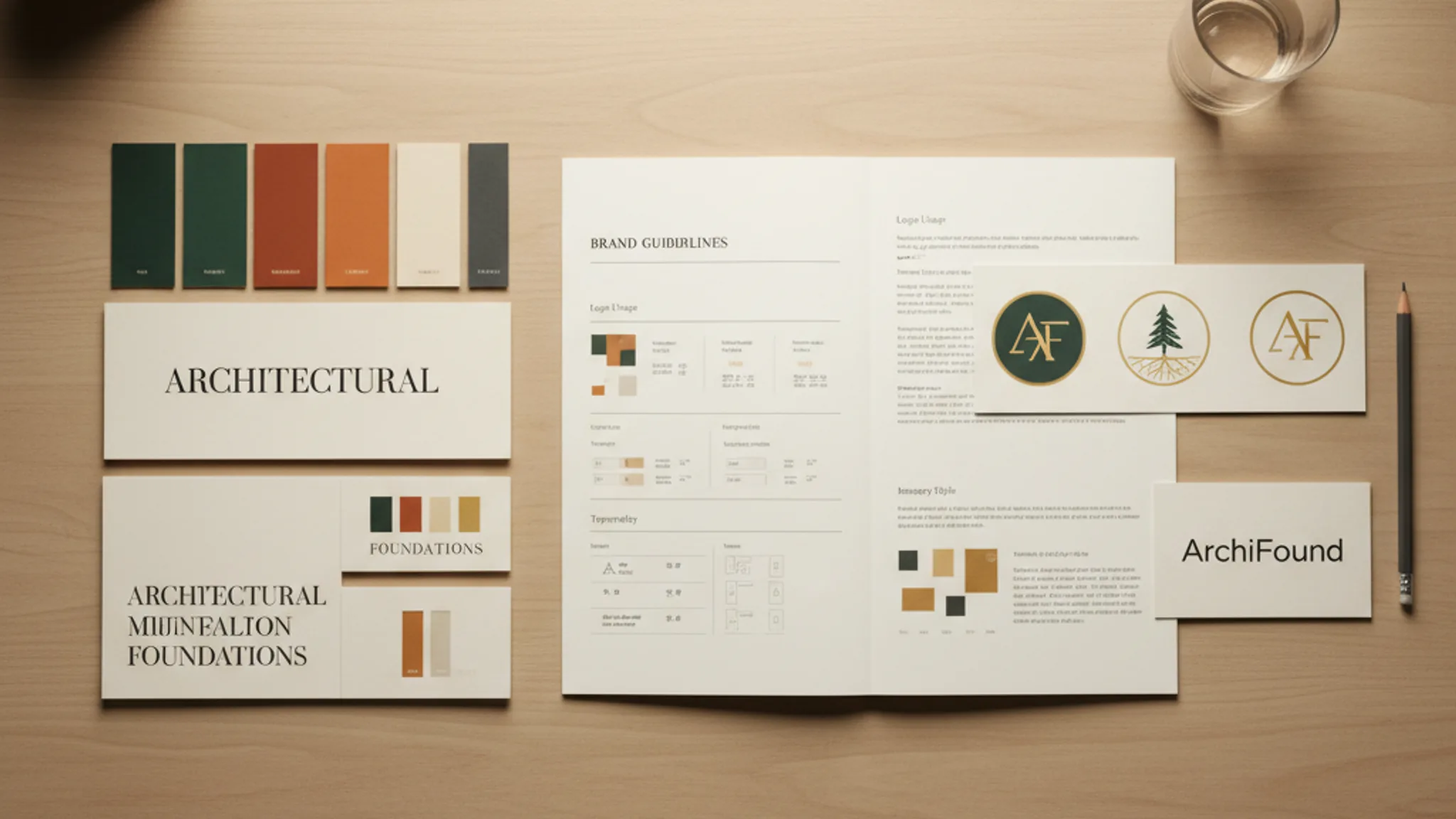

Branding Branding & Identity
How to Choose a Branding Agency Singapore (July 2026)
A practical guide to choosing the right branding agency in Singapore. Covers agency types, what to look for, red flags, budgeting, key questions to ask, and the typical branding process.

Choosing a branding agency in Singapore feels like a gamble. There are hundreds of options, from solo freelancers to global firms, and everyone claims to "build brands that stand out." But the difference between a branding partner that transforms your business and one that hands you a logo you never use is enormous. We have seen both outcomes more times than we can count.
The reality is that a strong brand identity is one of the most valuable assets a Singapore business can invest in. According to Marq's brand consistency research, consistent branding across all channels can increase revenue by up to 23%. But that return only materialises if you choose the right partner for the job.
This guide covers everything you need to evaluate before signing with a branding agency: the different agency types, what to look for, what to avoid, the questions you should be asking, realistic budgets, and what the actual process looks like from kickoff to launch. Whether you are a startup building a brand from scratch or an established company considering a rebrand, this will help you make a confident, informed decision.
Not every business needs an agency. Some situations genuinely call for professional branding help, while others can be handled internally or deferred. Here are the scenarios where bringing in a branding agency makes clear sense:
- You're launching a new business. First impressions last. A strong brand identity from the start means you don't waste months (and money) on marketing materials that look inconsistent or amateurish. Startups that invest in branding early tend to attract better talent, close deals faster, and command higher prices. Our brand identity checklist for startups covers the essentials.
- You're rebranding. Your business has evolved, but your brand hasn't kept up. Maybe you've expanded your services, shifted your target audience, or merged with another company. A rebrand realigns your external identity with the business you've become. We cover the warning signs in our guide to knowing when it's time to rebrand.
- You need a brand refresh. Not quite a full rebrand, but your visual identity feels dated. Colours look flat on screens, the logo doesn't scale well for social media, or the overall look just feels "2018." A refresh updates the aesthetics without overhauling the strategy.
- You're expanding into new markets. Entering Southeast Asia, going regional, or launching a sub-brand? Each market brings cultural nuances that affect how your brand is perceived. An agency with Singapore and regional experience can help you adapt without losing your core identity.
- Your brand is inconsistent. Different departments use different logos. Your website says one thing, your brochures say another, and your social media looks like it belongs to a different company. Inconsistency erodes trust. A branding agency creates the brand guidelines that keep everything cohesive.
If none of these apply, you might not need an agency right now. A freelance designer can handle a simple logo. A good template can get your website off the ground. But when your brand needs to do real work (attract investors, win enterprise clients, support premium pricing), that is when professional branding pays for itself.
The term "branding agency" covers a wide range of businesses in Singapore. Understanding the different types helps you match the right provider to your needs and budget.
1. Full-service branding agencies
These agencies handle everything: brand strategy, visual identity, messaging, guidelines, collateral design, and sometimes even marketing execution. They typically have multidisciplinary teams (strategists, designers, copywriters, project managers) and follow a structured process from discovery to delivery.
Best for: established SMEs and larger companies that need a comprehensive brand overhaul. Budget range: SGD 15,000 to 100,000+.
2. Boutique studios and small agencies
Smaller teams (usually 3 to 10 people) that specialise in brand identity design. They tend to be more hands-on, with the creative director personally involved in every project. You often get more attention per dollar compared to larger agencies, though the scope of services may be narrower.
Best for: SMEs and startups that want quality design with a personal touch. Budget range: SGD 5,000 to 30,000.
3. Freelance brand designers
Independent professionals who handle brand identity design solo or with a small network of collaborators. The quality varies enormously. Some freelancers deliver work on par with top agencies; others are primarily logo designers with limited strategic capability.
Best for: early-stage startups, solopreneurs, and businesses with tight budgets that need a solid visual foundation. Budget range: SGD 500 to 5,000. See our logo design cost guide for detailed pricing.
4. Digital-first branding agencies
These agencies build brands specifically for digital environments. They focus on how a brand looks and behaves across websites, apps, social media, and digital advertising. If your business is primarily online (SaaS, e-commerce, digital services), this type of agency understands the medium your brand lives in.
Best for: tech companies, e-commerce brands, and businesses whose primary customer touchpoints are digital. Budget range: SGD 8,000 to 50,000.
5. Consulting-heavy firms
Strategy-first firms that focus on brand positioning, market research, audience analysis, and messaging architecture before any design work begins. Some don't do design at all; they hand off the strategy to a design agency for execution. Others do both, but the emphasis is always on the thinking behind the brand.
Best for: companies undergoing significant strategic shifts, entering competitive markets, or needing research-backed brand positioning. Budget range: SGD 20,000 to 150,000+.
There is no universally "best" type. The right choice depends on your specific needs, budget, and the complexity of your project. A startup that needs a logo and basic identity should not be paying consulting-firm rates. Equally, an established company repositioning for a new market should not be working with a freelancer who only does visual design.
Once you know the type of agency you need, here is how to evaluate the specific firms on your shortlist.
Portfolio quality and relevance
Every agency has a portfolio. The question is whether it demonstrates the kind of work you need. Look beyond aesthetics. A beautiful logo is meaningless if the agency cannot show how it connects to a brand strategy, how it performs across touchpoints, and what results it delivered for the client.
Relevance matters too. If you are a B2B tech company, an agency whose portfolio is entirely F&B and lifestyle brands may struggle to understand your audience. That does not mean they cannot do the work, but ask how they would approach your industry specifically.
Strategic thinking, not just design
Good branding is not good graphic design. It is the intersection of strategy and design. The best agencies will ask about your business goals, competitive landscape, target audience, and market positioning before they open a design application. If an agency jumps straight to "what colours do you like?" without understanding your business first, that is a warning sign.
Ask to see examples of their strategic work: brand positioning frameworks, audience personas, competitive audits, brand architecture diagrams. If they cannot show you these, they are a design studio, not a branding agency. Both have their place, but know which one you are hiring.
Process transparency
A reputable branding agency should be able to walk you through their process in detail before you sign anything. How many phases? What happens in each phase? What are the deliverables at each stage? How are revisions handled? What is the typical timeline?
Agencies that are vague about their process are often making it up as they go. That leads to scope creep, timeline blowouts, and frustration on both sides. A clear, documented process protects you and the agency.
Singapore market understanding
Singapore is a unique market. It is multicultural, multilingual, digitally advanced, and highly competitive. A branding agency that understands the local landscape will know how to navigate cultural sensitivities, leverage local consumer behaviour, and position your brand effectively against local and regional competitors.
This does not mean you must use a Singapore-based agency. But whoever you hire should demonstrate genuine familiarity with the market, not just generic "Asian" branding knowledge.
Post-delivery support
What happens after the brand is delivered? Some agencies hand over the files and disappear. Others offer ongoing support: brand guardianship, collateral design, guidelines updates, and training for your team. For most businesses, the post-delivery relationship is just as important as the project itself, because your team needs to implement the brand consistently across dozens of touchpoints.
Ask about this upfront. If ongoing support is important to you (and it should be), factor it into your selection criteria. A comprehensive set of brand guidelines is the bare minimum for effective handover.
Knowing what to avoid is just as important as knowing what to look for. Here are the warning signs that an agency is not the right fit.
- No discovery phase. If an agency is ready to start designing without first understanding your business, audience, and competitive landscape, they are guessing. Discovery is where the strategic foundation is built. Skipping it means the design has no anchor, and you end up with something that "looks nice" but does not serve your business.
- Price-only proposals. A one-line quote that says "Branding package: SGD 5,000" tells you nothing. A proper proposal should include the scope of work, specific deliverables, revision rounds, timeline, payment terms, and IP ownership details. If the proposal is just a price, the agency either does not have a structured process or is hiding what you are actually getting.
- Trend-chasing design. Browse their portfolio. If every project looks like it follows the same current design trend (all minimalist sans-serif logos, all gradient marks, all the same aesthetic), the agency is applying a template rather than creating bespoke solutions. Your brand should reflect your business, not the latest Dribbble trend.
- No brand strategy. Design without strategy is decoration. If the agency cannot articulate how they develop brand positioning, define brand values, or create a messaging framework, they are a design shop. That is fine if you only need a logo, but not if you need a brand.
- Vague timelines. "It takes about two to three months, depending" is not a timeline. A reliable agency provides a detailed project schedule with milestones, feedback windows, and delivery dates. Vague timelines usually mean the agency is juggling too many projects and cannot commit.
- Stock portfolio or spec work. Look carefully at their case studies. Are the mockups generic (the same laptop template everyone uses)? Are the "brands" they showcase actually fictional concept projects? There is nothing wrong with spec work for students, but an established agency should have real client work to show.
- No client references. Any agency that has done good work will have happy clients willing to vouch for them. If they cannot provide references, or if they deflect when you ask, treat that as a significant red flag.
- Overpromising on timeline. If an agency says they can deliver a complete brand identity in one week, either they are cutting corners or they have a very different definition of "complete" than you do. A solid brand identity takes time. Rushing it produces surface-level work that falls apart under real-world application.
Before signing a contract, these ten questions will help you evaluate whether an agency is the right partner. Their answers will tell you more than any portfolio ever could.
- 1. What does your branding process look like, from start to finish? A good agency will describe a clear, phased process (discovery, strategy, design, refinement, delivery). If they cannot articulate this clearly, their process is likely ad hoc.
- 2. What is the realistic timeline for a project like mine? Pay attention to whether they ask clarifying questions about your scope before answering. A timeline without understanding the project is just a guess.
- 3. What specific deliverables are included? Get this in writing. "Brand identity" means different things to different agencies. You want a list: logo (and variations), colour system, typography, brand guidelines document, business card design, social media templates, and so on.
- 4. How many revision rounds are included? Two to three rounds is standard. Unlimited revisions sounds generous but often means the agency expects you to art-direct the project (which is not what you are paying them for).
- 5. Who owns the final brand assets? You should own full intellectual property rights to all deliverables upon final payment. Some agencies retain ownership or charge extra for IP transfer. Clarify this before you start.
- 6. Who will actually be working on my project? The person in the pitch meeting is not always the person doing the work. Ask who the project lead is, who the designers are, and whether any work will be outsourced or subcontracted.
- 7. Have you worked with businesses in my industry before? Industry experience is not essential, but it helps. If they have not worked in your sector, ask how they plan to get up to speed on industry norms, audience expectations, and competitive dynamics.
- 8. Can you provide client references I can contact? Ask for two to three references, ideally from clients with a similar project scope. When you contact them, ask about communication, timelines, and whether the final result met their expectations.
- 9. What kind of ongoing support do you offer after delivery? Some agencies offer retainer packages for ongoing brand management. Others provide a fixed support window (30 to 90 days post-delivery). Know what is included and what costs extra.
- 10. How is your pricing structured? Fixed project fee? Hourly rates? Milestone-based payments? Each has pros and cons. Fixed fees give you cost certainty. Hourly rates offer flexibility but can spiral. Milestone-based payments tie cost to progress, which is often the fairest arrangement for both parties.
If an agency answers these questions confidently and in detail, you are likely dealing with a professional operation. If the answers are vague or evasive, keep looking.
Branding costs in Singapore vary widely depending on the provider type, scope of work, and your business complexity. Here is a realistic breakdown based on what we see in the market. For a deeper dive, our branding cost guide covers every pricing tier in detail.
Pricing by provider type
- Freelance brand designer: SGD 500 to 5,000. Logo design, basic colour palette, and typography selection. May include a simple one-page brand guide. Best for early-stage startups with tight budgets.
- Boutique design studio: SGD 5,000 to 15,000. Logo, colour system, typography, basic brand guidelines document, and a few collateral pieces (business card, letterhead). A solid middle ground for growing businesses.
- Mid-tier branding agency: SGD 15,000 to 50,000. Full brand identity with strategy, visual system, comprehensive guidelines, and collateral design. This is where most Singapore SMEs land.
- Premium/strategy-led agency: SGD 50,000 to 150,000+. In-depth brand strategy, market research, positioning, complete identity system, extensive guidelines, and rollout support. For established companies with complex needs.
What affects the cost?
- Scope of deliverables. A logo alone costs far less than a logo plus brand guidelines plus collateral plus social media templates plus packaging design.
- Depth of strategy. If the project includes competitive research, audience surveys, brand workshops, and positioning development, expect to pay more. Strategy is where the real value lives.
- Number of revision rounds. More revisions mean more hours. Two to three rounds is standard; beyond that, costs go up.
- Industry complexity. Regulated industries (healthcare, finance, legal) require more careful positioning and compliance awareness, which adds time and cost.
- Timeline pressure. Rush timelines typically carry a 25 to 50% premium. If you can be flexible on timing, you will get better value.
EDG grant support
Singapore SMEs may be eligible for the Enterprise Development Grant (EDG), which can cover up to 50% of branding costs. The project needs to include a strategic component (not just logo design) and you need to meet eligibility criteria. If you qualify, a SGD 30,000 branding project effectively becomes SGD 15,000 out of pocket. It is worth checking before you finalise your budget.
A well-run branding project follows a structured process. Understanding what each phase involves helps you evaluate agencies and set realistic expectations for the timeline.
Phase 1: Discovery (Week 1 to 2)
This is the foundation. The agency gathers information about your business, audience, competitors, goals, and brand aspirations. It typically involves a discovery workshop (or a series of interviews), a competitive audit, and a review of your existing brand assets if you have them.
What you should provide: your business plan or pitch deck, any market research you have, examples of brands you admire, and honest feedback about what is and is not working with your current brand. The more you invest in discovery, the better the output.
Phase 2: Brand strategy (Week 2 to 4)
The agency synthesises their discovery findings into a brand strategy document. This typically includes: brand positioning statement, brand values, brand personality, key messaging pillars, target audience profiles, and competitive differentiation. This document becomes the foundation for all design decisions.
Some agencies present the strategy for your approval before moving to design. This is a good sign. It means they want alignment on the "why" before diving into the "what."
Phase 3: Design concepts (Week 4 to 6)
Based on the approved strategy, the design team creates two to three visual directions. Each direction includes a logo concept, colour palette, typography selection, and sample applications (business card, social media, website header). You evaluate the concepts against the strategy, not personal preference.
This is the phase where client feedback matters most. Be specific. "I don't like it" is not actionable. "The logo feels too corporate for our target audience of young professionals" gives the team something to work with.
Phase 4: Refinement (Week 6 to 8)
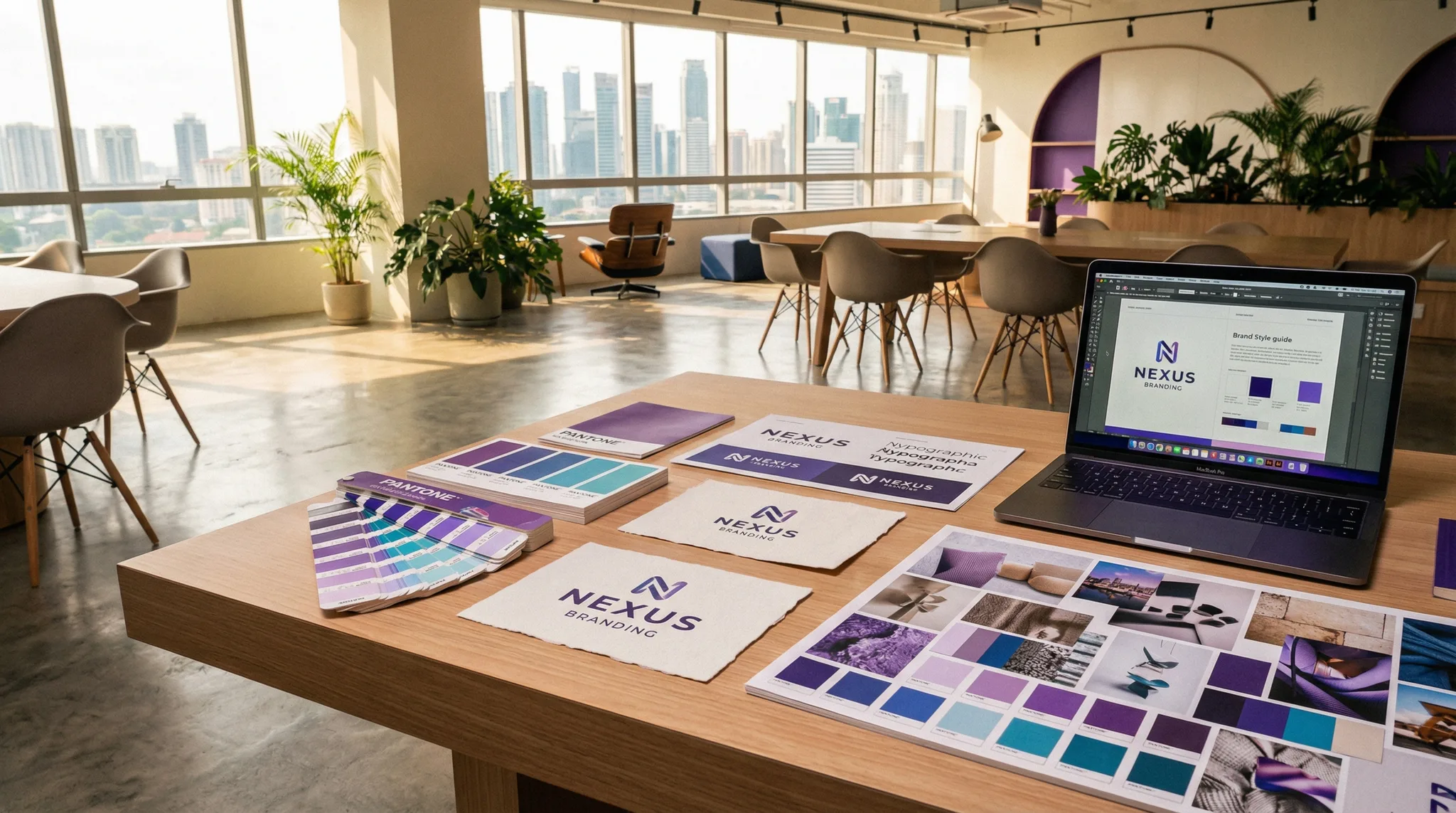
After you select a direction, the agency refines the chosen concept. This includes perfecting the logo in all variations (full colour, reversed, monochrome, icon-only), finalising the colour system with exact colour codes, locking in typography pairings, and developing the visual language (patterns, photography style, iconography).
Two to three rounds of refinement is typical. Each round should bring the brand closer to the finished result. If you are still making major changes by round three, there may be an alignment issue worth addressing directly.
Phase 5: Brand guidelines (Week 8 to 10)
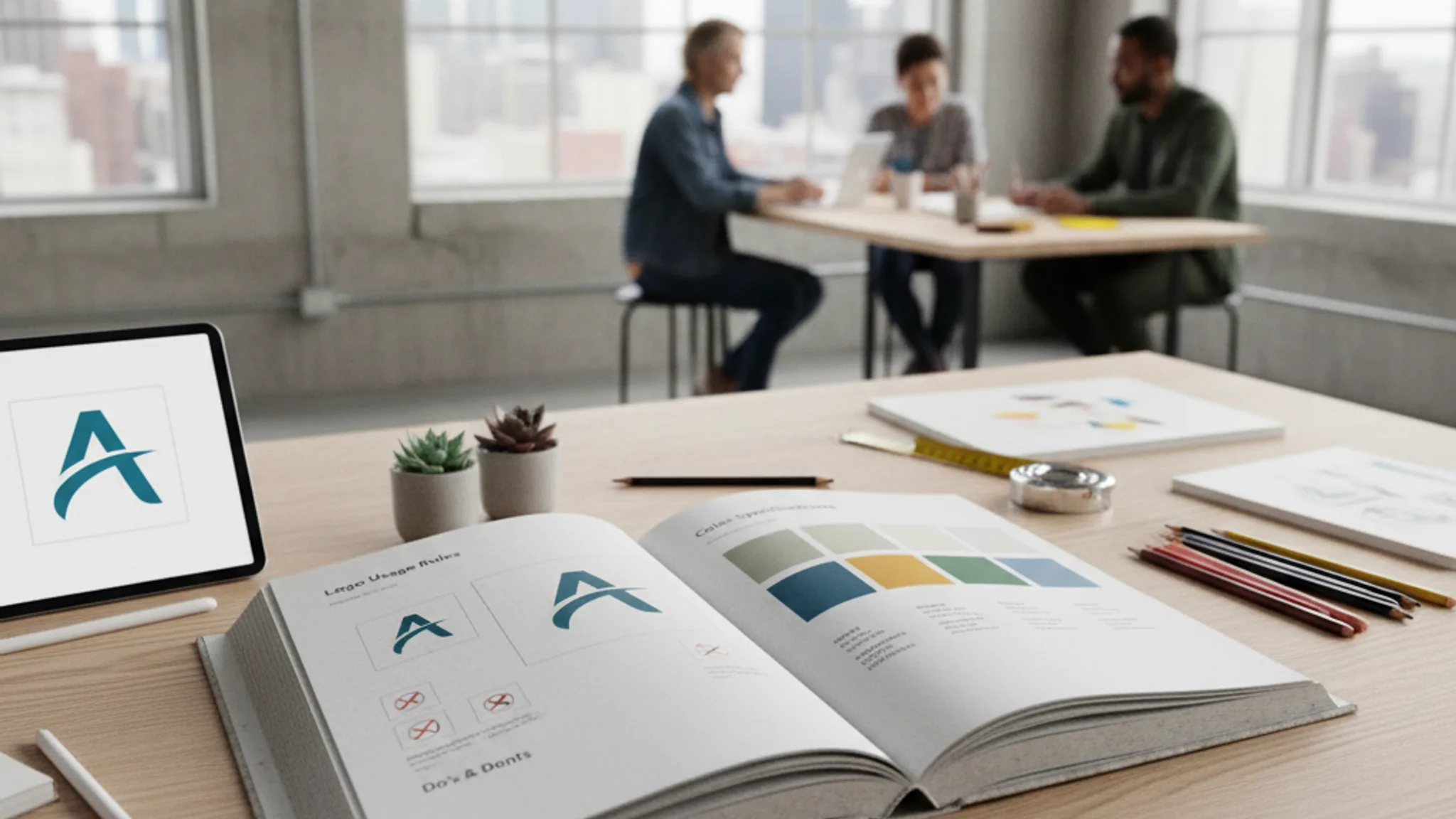
The agency compiles everything into a comprehensive brand guidelines document. This is your brand's rulebook: logo usage rules, colour specifications, typography hierarchy, spacing and layout principles, tone of voice, and examples of correct and incorrect usage. A good guidelines document ensures anyone (your team, future designers, print vendors) can apply the brand consistently.
For more on what should go into this document, see our brand guidelines guide.
Phase 6: Launch support (Week 10 to 12)
The best agencies do not just hand over files and walk away. Launch support may include: designing key collateral pieces, creating social media templates, providing web design direction for your website redesign, training your team on brand application, and being available for questions during the initial rollout period.
Not all agencies offer this phase, and it is sometimes priced separately. But if you are investing in a professional brand identity, making sure it gets implemented properly is just as important as the identity itself.
There is no one-size-fits-all answer. Each option has clear strengths and limitations. Here is an honest comparison to help you decide.
Freelance brand designer
- Pros: lower cost, direct communication with the person doing the work, often faster for smaller projects, flexible scheduling, good for focused deliverables (logo, basic identity).
- Cons: limited strategic capability (most freelancers are designers, not strategists), single point of failure if they get sick or busy, narrower skill set, may not scale for complex projects, inconsistent quality across the market.
- Best when: you need a logo and basic brand identity on a startup budget, and you have a clear vision of what you want.
Branding agency
- Pros: multidisciplinary team (strategy + design + copywriting), structured process, accountability and project management, wider skill set, can handle complex projects, better for comprehensive brand identities.
- Cons: higher cost, you may not always work directly with the senior team, longer timelines due to structured process, potential for "agency overhead" (layers of account management).
- Best when: you need both brand strategy and design, your project is complex (rebrand, multi-brand, market entry), or the brand needs to perform at a high level across many touchpoints.
In-house team
- Pros: deep knowledge of your business, always available, lower per-project cost over time, full control over the process, consistent output once the brand is established.
- Cons: high fixed cost (salaries, benefits, tools), limited perspective (can lead to internal echo chambers), hard to justify for a single branding project, may lack specialised branding expertise.
- Best when: you are a larger company with ongoing brand work, your brand requires constant updates and adaptation, or you have already established the brand with an agency and need a team to maintain it.
For most Singapore SMEs, the sweet spot is hiring an agency for the initial brand development, then handling day-to-day implementation in-house (or with a freelancer) using the brand guidelines the agency created. This gives you professional quality for the foundation and cost-efficiency for the ongoing execution.
At Terris, we work with businesses across all three scenarios, whether that means building a brand from scratch, partnering with an in-house team on a rebrand, or providing the strategy that a freelancer then executes.
A typical brand identity project takes 6 to 12 weeks from kickoff to delivery. Simpler projects (logo and basic guidelines) can be done in 3 to 4 weeks. Comprehensive rebrands with strategy, research, and extensive collateral can take 12 to 24 weeks. Rush timelines are possible but usually come with a premium of 25 to 50%.
Logo design is one component of branding. Branding encompasses your entire brand identity: strategy, positioning, visual system (logo, colours, typography), messaging, tone of voice, and guidelines for consistent application. Think of the logo as the face of the brand, while branding is the entire personality, values, and experience behind it. Our branding guide for SMEs explains this distinction in depth.
Local presence is not strictly necessary, but it helps. A Singapore-based agency understands the local market, cultural nuances, and competitive landscape firsthand. They are also in the same timezone, which makes collaboration smoother. Overseas agencies can work well for businesses targeting global audiences, but for brands that need to resonate with Singaporean consumers, local market knowledge is a genuine advantage.
Come prepared with: a clear description of your business and what you offer, your target audience and ideal customer profiles, examples of brands you admire (and why), your budget range (even a rough one helps), your timeline expectations, any existing brand assets (current logo, brand colours, marketing materials), and your goals for the branding project. The more prepared you are, the more accurate the proposal and the smoother the project.
Yes. The Enterprise Development Grant (EDG) can cover up to 50% of eligible branding costs. The project needs to include a strategic component, not just design. You must meet eligibility criteria (registered in Singapore, at least 30% local shareholding, viable business). For a full breakdown of costs with and without grants, see our branding cost guide.
Get at least three quotes for the same scope. A fair quote includes: a clear scope of work with specific deliverables, defined revision rounds, an IP transfer clause, a realistic timeline, and transparent payment terms. If one quote is dramatically higher than the others, ask what additional value justifies the premium. If one is dramatically lower, investigate what is being left out. Price alone does not indicate quality, but a detailed proposal that explains what you are paying for is a good sign.
Choosing a branding agency is one of the most consequential decisions a Singapore business can make. The right partner builds a brand that attracts customers, commands premium pricing, and gives your business a competitive edge that compounds over time. The wrong partner produces pretty files that gather dust on a hard drive.
The keys to making the right choice are straightforward: understand what you actually need, know what different agency types offer, evaluate based on process and strategic capability (not just aesthetics), ask the hard questions before signing, and budget realistically for the scope of work involved.
We have helped businesses across Singapore build brand identities that look polished and perform in the real world, from startups finding their visual voice to established companies undergoing full rebrands. If you are evaluating branding agencies and want a no-pressure conversation about your project, explore our branding services or get in touch for a free consultation.