

Terris Recommends 16,400+ monthly visitors Dance Studios
9 Best Breakdance Classes in Singapore (August 2026)
My honest pick of the best breakdance classes Singapore has in 2026, from dedicated bboy specialists to studio courses, with prices.
This guide is part of Terris Recommends, my researched, hands-on picks of the best local businesses and services in Singapore. Every recommendation is researched and ranked by me.
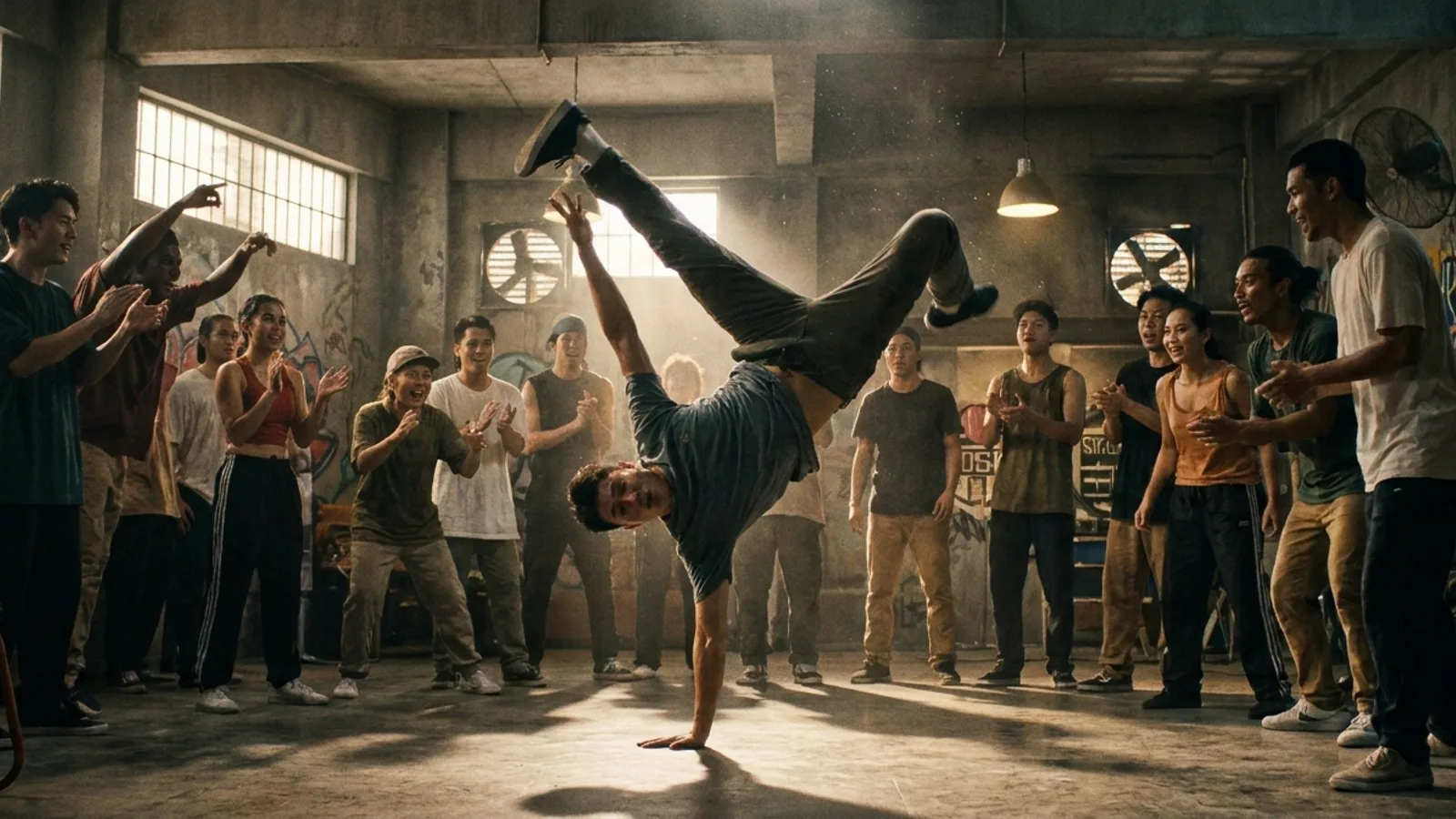
See all recommendationsIf you are looking for the best breakdance classes Singapore has in 2026, the first thing worth knowing is that breaking is its own world. It is not the same as a hip-hop choreography class where you learn an eight-count routine to a pop song. Breaking, or bboying, is the original street dance born in the Bronx in the 1970s, it is now an Olympic sport after its debut in Paris 2024, and learning it properly means training foundations, floorwork and real physical conditioning under someone who actually breaks. So I spent time mapping out who genuinely teaches breaking here, not just who lists it on a menu.
The Singapore scene is small but unusually deep, built over more than twenty years by crews and a handful of dedicated coaches rather than big franchises. That shapes this list. Some entries are polished studios with graded courses, others are crews and collectives that run real classes and have produced competitive bboys and bgirls. I weighed each on how seriously it teaches breaking specifically, the pedigree of the people running it, how it treats genuine beginners, and how reachable it is.
This sits inside my wider Terris Recommends dance series. If you are still deciding what style to learn, start with my guide to the best dance studios in Singapore, then use this guide once you know it is breaking you want. Below are the nine places I would actually send a friend who wants to learn to break.
Breaking earned a different kind of respect when it became an Olympic sport at Paris 2024. Bboys and bgirls now compete the way gymnasts and athletes do, judged on technique, musicality, originality and execution. That matters for how you should learn it, because breaking is built on four distinct elements and a general dance class rarely touches more than one. Toprock is the upright dancing you do on your feet to open a round. Footwork, also called downrock, is the fast intricate floor movement on your hands and feet. Freezes are the controlled poses that punctuate a set, often balanced on a hand, a head or a shoulder. Powermoves are the spins everyone films, the windmills, flares and headspins, and they are the last thing you should chase, not the first.
This is why a breaking specialist beats a general hip-hop class almost every time. A choreography teacher will give you a fun routine and a sweat, but a breaking coach drills the unglamorous foundations and the conditioning that makes the moves possible. Breaking is genuinely demanding on the wrists, shoulders, core and back, so the good coaches spend real time on strength and on protecting your joints before anyone attempts a freeze. Just as important is the culture. Breaking lives in crews, cyphers and battles, and a proper class plugs you into that, teaching you to read the music, take your turn in the circle, and build your own style rather than copy a video.
So when you read the list below, weigh who actually breaks and competes, not who has the slickest website. A small crew session with a real bboy at the front of the room will usually take you further than a big studio that treats breaking as one tile on a grid of genres.
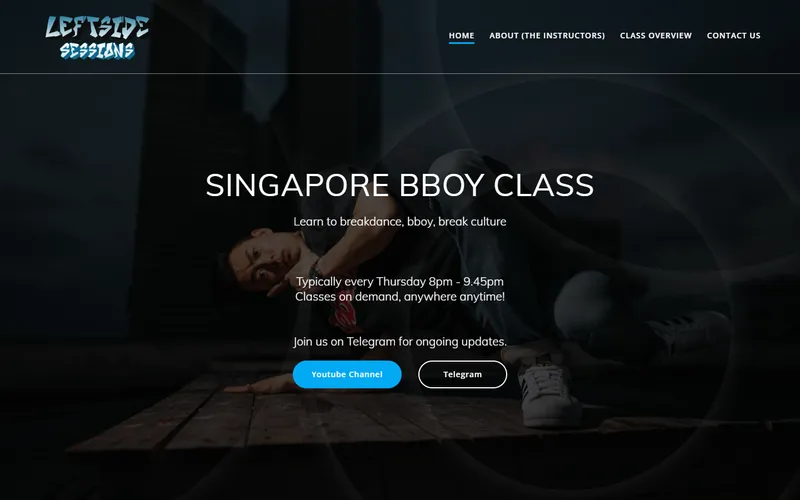
What I like is how focused it is. You are learning foundations, footwork, freezes and the roots of the dance from people who genuinely break, in a small-group setting where you get attention rather than being one of thirty in a choreography line. They run evening weekday sessions and even a breaking-specific conditioning idea they call BreakHIIT, and they stay connected through an active community on Telegram and YouTube. If you want to actually become a bboy or bgirl rather than just try a fun class once, this is my top shout.
- Best known for
- Pure beginner-to-intermediate breaking with a heavy focus on foundations and culture
- Location
- Central Singapore (current session venue announced via their Telegram)
- Reputation
- A dedicated breaking specialist running since 2009
- Website
- sgbboyclass.com
You do not walk into Radikal Forze the way you book a drop-in class at a studio. It is a crew and a community, and the training that happens around it is the real deal, the kind of high-level breaking and battle culture that produces competitive dancers. For most people the practical doorway is Recognize! Studios, which Felix founded, but Radikal Forze belongs on this list as the authority and the engine room of breaking in Singapore. If you want to understand where the scene came from and where the best dancers gravitate, this is it.

- Best known for
- Being the authority and competitive heart of Singapore breaking
- Location
- Singapore (community and Radikal Forze Jam hosted at *SCAPE, Orchard Link)
- Reputation
- The pioneering local crew, founded 1998, behind Asia-Pacific's biggest dance jam
- Website
- radikalforzejam.com
The studio defines breaking properly on its own terms, as the acrobatic Bronx-born form built on footwork, floorwork and spinning, and it has the surrounding ecosystem to back it up, from kids and teens academies to the wider competitive scene that Felix runs. At the time of writing they are between premises and finding a new home, with kids classes continuing through the move, so check their current location before you go. For a dancer who wants to take breaking seriously inside a real studio structure with crew-level credibility behind it, Recognize is the obvious pick.
- Best known for
- Level-graded breaking inside a serious street-dance studio
- Location
- Central Singapore (relocating in 2026, confirm current address before visiting)
- Reputation
- Founded 2010 by Radikal Forze's Felix Huang, deep urban-arts credibility
- Website
- recognizestudios.com
This is the pathway I would highlight for a committed teenager or young adult who wants to train breaking with structure and ambition, not just for fun. As a youth development space, *SCAPE is built around nurturing young creatives, and the intensive format gives you focused, progressive coaching rather than a casual drop-in. Sessions run in blocks, so check the current schedule and intake, but for serious, competition-minded breaking instruction at an accessible price, this is one of the strongest options in town.

- Best known for
- Structured, ambition-driven breaking intensives for youth and young adults
- Location
- 2 Orchard Link, *SCAPE
- Reputation
- Run by competitive bboys including a SEA Games medallist
- Website
- scape.sg
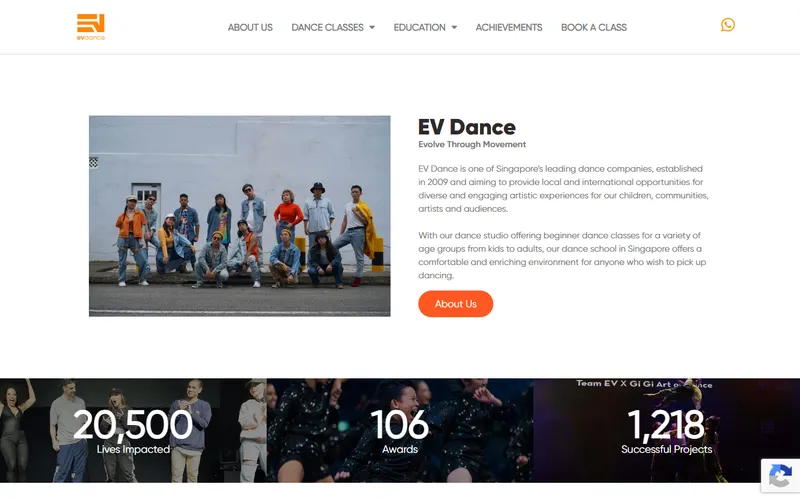
The beginner courses run as a block of weekly lessons, which is the right format for breaking because the skills compound and you need repetition to build them safely. The breaking is taught by an instructor with real bboy background, and EV keeps the whole thing approachable for nervous first-timers. With studios near Farrer Park and Bencoolen, it is also genuinely central. If the idea of walking into a freestyle cypher terrifies you and you want a clear, supportive starting structure, EV Dance is my pick.
- Best known for
- A graded Breaking ABC course that takes total beginners step by step
- Location
- 291 Serangoon Road (Farrer Park) and 261 Waterloo Street (Bencoolen)
- Reputation
- Established 2009, known for structured absolute-beginner courses
- Website
- evdance.com.sg
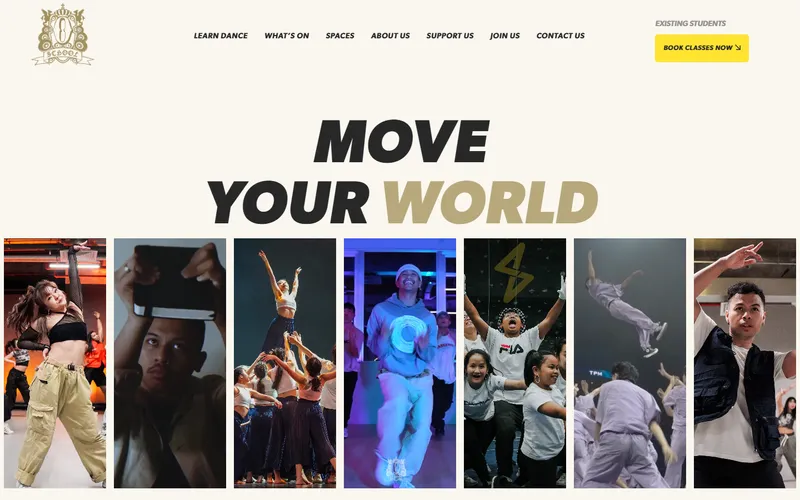
If you are completely new to street dance and not yet sure breaking is for you, starting at O School is a smart, low-risk move. You build a base, soak up the culture, and figure out whether you want to commit to the floor. From there it is an easy step into one of the dedicated breaking specialists higher up this list. For a beginner who wants a respected, well-run studio to find their feet in street dance generally, O School is a dependable starting block.
- Best known for
- A beginner foundation course and deep street-dance culture to build a base
- Location
- Central Singapore (confirm current studio location when booking)
- Reputation
- A long-standing pillar of the local street-dance scene
- Website
- oschool.com.sg
The other draw is structure and price clarity. ACTFA sells its classes in clear packages, from a five-week starter through three-month and annual options, with the per-class cost dropping the longer you commit, and it operates across multiple locations including Little India, Bukit Panjang and Bukit Merah. That makes a regular weekly breaking habit realistic without trekking into the city centre every time. For a budget-conscious beginner who wants a no-pressure introduction to bboying, ACTFA does the job well.

- Best known for
- A basic BBoy class and clear-priced packages for budget-conscious beginners
- Location
- Little India, Bukit Panjang and Bukit Merah Central
- Reputation
- Accessible, package-based classes across several locations
- Website
- actfa.com
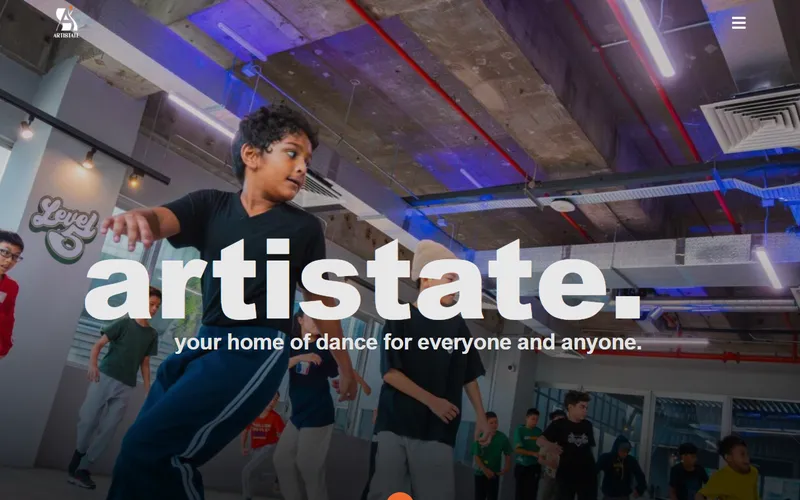
For a young person, that environment matters. Breaking demands physical conditioning and patience, and a programme built specifically for youth, with peers at the same stage and a syllabus that paces progress, keeps a kid engaged far longer than dropping them into an adult session would. If you want your child to learn breaking somewhere structured, central and used to teaching young dancers, Artistate is the natural fit.
- Best known for
- Breaking for kids and teens in a structured, age-appropriate setting
- Location
- 1 Selegie Road, Singapore 188306 (Dhoby Ghaut)
- Reputation
- Youth-focused academy delivering school CCA and enrichment programmes
- Website
- artistate.com.sg
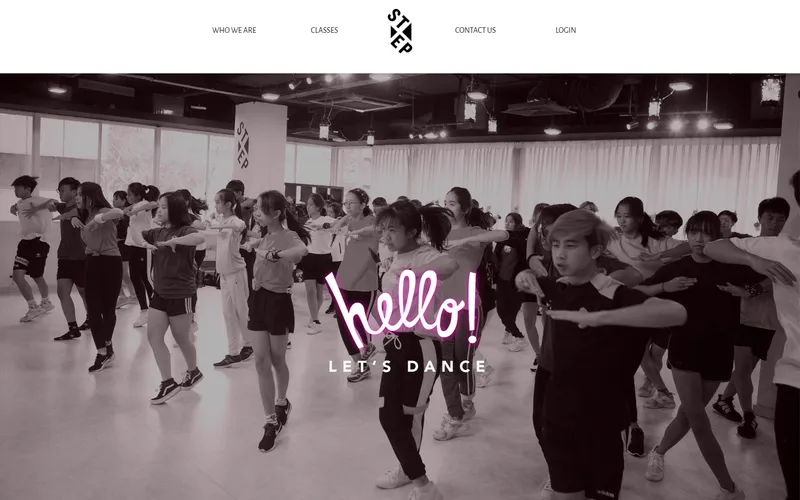
I include it for the dancer who values atmosphere as much as syllabus. STEP positions itself as a safe, encouraging space for dancers of all backgrounds, which is exactly where a self-conscious beginner can grow confidence before stepping into a tougher cypher environment. Use it to build your street-dance base and your nerve, then bring that into one of the breaking specialists when you are ready to commit to bboying properly. As a friendly home for street dance generally, it is a solid choice.
- Best known for
- A supportive space to build street-dance foundations and confidence
- Location
- Central Singapore (confirm current studio address when booking)
- Reputation
- A welcoming, community-focused street-dance studio
- Website
- step.sg
| Place | Best for | Location |
|---|---|---|
| Singapore Bboy Class | Pure beginner-to-intermediate breaking | Central (venue via Telegram) |
| Radikal Forze | The competitive heart of the scene | Singapore / *SCAPE |
| Recognize! Studios | Level-graded breaking in a serious studio | Central (relocating) |
| *SCAPE SDI: Breaking | Ambitious, competition-minded youth | *SCAPE, Orchard Link |
| EV Dance | Structured beginner Breaking ABC course | Farrer Park and Bencoolen |
| O School | Foundation base before the floor | Central Singapore |
| ACTFA Dance School | Budget-friendly, no-pressure intro | Little India, Bukit Panjang, Bukit Merah |
| Artistate Dance Academy | Breaking for kids and teens | Selegie, Dhoby Ghaut |
| STEP Studio | Friendly community street-dance base | Central Singapore |
| Class type | Typical price (S$) |
|---|---|
| Single drop-in open class | S$15 to S$28 |
| Beginner breaking course (8 weeks) | S$160 to S$220 |
| Term or monthly package | S$90 to S$180 |
| Structured breaking intensive (per term) | S$200 to S$400 |
| Kids breaking enrichment (per term) | S$300 to S$600 |
| Private 1-to-1 breaking coaching (per hour) | S$60 to S$120 |
Treat these as 2026 ballpark figures rather than quotes. The cheapest way in is a single open class, often around S$15 to S$25, which lets you test whether breaking is for you with no commitment. A structured beginner course usually works out better value per session and, more importantly, teaches you in the right order. Private coaching costs the most but is worth it once you are chasing a specific move like a freeze or a windmill safely. Many places offer a discounted trial, so always ask about a first-timer rate before buying a full package.
- A coach who genuinely breaks. Breaking is too specific to learn from a general choreography teacher. I want an instructor with real bboy or bgirl experience, ideally one who battles or competes, because they teach the dance the way it is meant to move.
- Foundations before powermoves. The best classes drill toprock, footwork and freezes properly before anyone attempts a windmill. If a class promises to teach you headspins in week one, that is a red flag, not a selling point.
- Conditioning and safe progression. Breaking is hard on wrists, shoulders and the spine. Good coaches build strength and protect your joints, and they grade classes so a beginner is not flailing in an advanced room.
- A connection to the scene. Breaking lives in crews, cyphers and battles. A class plugged into the real community will pull you into that culture, which is where you actually grow as a dancer.
- A trial or beginner-marked class. The best places let you sample a session and clearly label which class is for newcomers, so you start at the right level rather than guessing.
It is also worth knowing that breaking now sits inside a real arts ecosystem here, not just on the street. Bodies like the National Arts Council support street and urban dance in Singapore, which is part of why the local scene punches above its weight and why events like Radikal Forze Jam can draw world-class dancers. That backing filters down into the quality of teaching you can find if you look for the right room.
Let me be straight about what this is. I am not a bboy, and I am not ranking these places on my own breaking ability, which is roughly zero. What I do is build and study websites for businesses across Singapore, including those in the arts and lifestyle space, so I spend a lot of time looking at how these schools and crews present themselves, how honestly they describe their classes and levels, and how their reputation holds up across the wider scene and reviews.
So this ranking weighs how seriously each place teaches breaking specifically, the pedigree of the people running it, how well it serves genuine beginners, and how reachable and transparent it is, rather than my own dance skill. It is a 2026 snapshot, and breaking in Singapore is a moving, crew-driven scene, so schedules, venues and even who is teaching can change. Confirm directly before you commit, and I will keep revisiting this guide as the scene shifts and new coaches earn a place.
It is challenging but absolutely learnable, and you do not need any dance background to start. The early stages are mostly about coordination and rhythm rather than the spectacular spins you see online, so a good beginner class spends weeks on toprock and basic footwork before anyone goes upside down. The honest truth is that breaking rewards consistency more than natural talent. Most people who show up weekly and drill the foundations are doing recognisable footwork and simple freezes within a few months. The powermoves take much longer and that is normal, so judge your progress on clean basics, not on whether you can windmill yet.
You do not need to be strong to start, but breaking will build the strength as you go, and good classes train it deliberately. A lot of breaking happens on your hands, so wrist, shoulder and core strength matter more than big muscles, and reputable coaches warm those areas up and condition them progressively to avoid injury. If you are starting from zero fitness, expect the first few weeks to feel demanding in your forearms and core. That is the dance getting you in shape rather than a sign you are not built for it. The key is a coach who scales the conditioning to your level rather than throwing you straight into advanced floorwork.
Children can start breaking from around six or seven, which is why several places on this list, Artistate and ACTFA in particular, run dedicated kids and teens programmes. At that age it is less about powermoves and more about coordination, rhythm, body awareness and fun, taught in a safe, age-appropriate way. Younger kids can absolutely enjoy it too, but the structured curriculum and conditioning really click from primary-school age upward. If your child is keen, look for a programme built specifically for their age group rather than dropping them into an adult class, because the pacing and supervision are completely different.
Keep it simple and comfortable. Loose or stretchy clothing you can move freely in is ideal, a t-shirt and joggers or track pants work perfectly, and avoid anything too tight or too baggy that will catch on the floor. Footwear matters more than people expect: wear clean, flat-soled trainers with good grip, because you need traction for footwork and a stable base for freezes. Many breakers keep a dedicated pair of indoor shoes so the soles stay clean and grippy. Bring a water bottle, consider wrist support once you start floorwork, and skip jewellery or anything that digs in when you are down on the ground.
That is my run-down of the best breakdance classes Singapore has in 2026. If you want a single starting point, Singapore Bboy Class is the specialist I would book first for pure breaking, Recognize! Studios is the most credible studio doorway thanks to its Radikal Forze pedigree, and EV Dance is the gentlest structured on-ramp if a freestyle cypher feels intimidating. For kids, Artistate, and for the competitively ambitious, the *SCAPE intensives.
Breaking is a small, deep and genuinely welcoming scene here, so the best thing you can do is just show up to a beginner class and start drilling foundations. Once you have found your feet, this guide sits inside my wider Terris Recommends dance series, so take a look at my guide to the best dance studios in Singapore if you want to branch into other styles too.
One last note from my side of the fence. I build websites for studios, schools and lifestyle businesses across Singapore that turn searches exactly like this one into booked classes. If you run a dance studio or a crew and your site is not pulling its weight, take a look at my web design services or just get a quote and we can talk.