



Terris Recommends 16,400+ monthly visitors Legal Services
9 Best Debt Recovery Lawyers in Singapore (August 2026)
My picks for the best debt recovery lawyer in Singapore for 2026. Starting with WMH Law Corporation and I.R.B. Law LLP.
This guide is part of Terris Recommends, my researched, hands-on picks of the best local businesses and services in Singapore. Every recommendation is researched and ranked by me.
See all recommendationsChasing an unpaid invoice in Singapore usually starts cheap and escalates in stages, and knowing the stages is half the battle. It normally begins with a letter of demand (LOD), which on its own gets a lot of debts paid. Small sums up to S$20,000 (or S$30,000 if both sides agree) go to the Small Claims Tribunals, where you typically cannot use a lawyer at all. Larger or contested debts go to the Magistrate's Court or the District Court, and if you win and still are not paid, you move to enforcement or even winding-up. The best debt recovery lawyer in Singapore is the one who picks the cheapest route that actually works, not the one who rushes you straight to court.
I am not a lawyer. I am a Singapore web designer who has spent years working with SME owners, and unpaid invoices come up constantly in those conversations, so I have paid close attention to which firms handle recovery sensibly. For this guide I cross-referenced independent legal directories, practice focus, and how each firm communicates on fees and process, then I noted exactly who each one suits.
This list is deliberately mixed. Some of these firms will run a contested commercial dispute through the courts and into insolvency. Others will simply fire off a sharp demand letter for a few hundred dollars and save you the rest. I have ranked them by overall standing for recovery work, but the honest answer to "which is best" is "best for your debt", so read the "best for" line on each one. For the wider market, see my best law firms in Singapore guide.
Before the list, here is how I weighed these firms. Recovery is one area where the cheapest competent option often wins, so these are the signals I actually trust.
- Starts with a cost-effective letter of demand. A good recovery lawyer reaches for the LOD first, because a well-drafted demand resolves a large share of debts without any court action at all.
- Clear, ideally fixed fees for demands. A letter of demand is a defined piece of work, so I favour firms that quote a clear or fixed fee rather than staying vague and open-ended.
- Honest about whether the debtor can actually pay. The best lawyers tell you upfront when a debtor looks insolvent, so you do not pour good money after bad chasing a judgment you can never collect.
- Experienced in enforcement and insolvency. Winning is only half of it. I look for firms comfortable with enforcement, statutory demands, bankruptcy, and winding-up, because that is what gets you paid.
- Fast turnaround. The older a debt gets, the harder it is to collect, so responsiveness and a quick first demand genuinely affect how much you recover.
The firm is ranked by The Legal 500 for dispute resolution, and its creditor-side practice runs genuinely end to end, from the first demand letter through to bankruptcy. For an SME owner staring at a stubborn unpaid invoice, that combination of a cheap first step and the firepower to follow through is the most reassuring profile on this list.
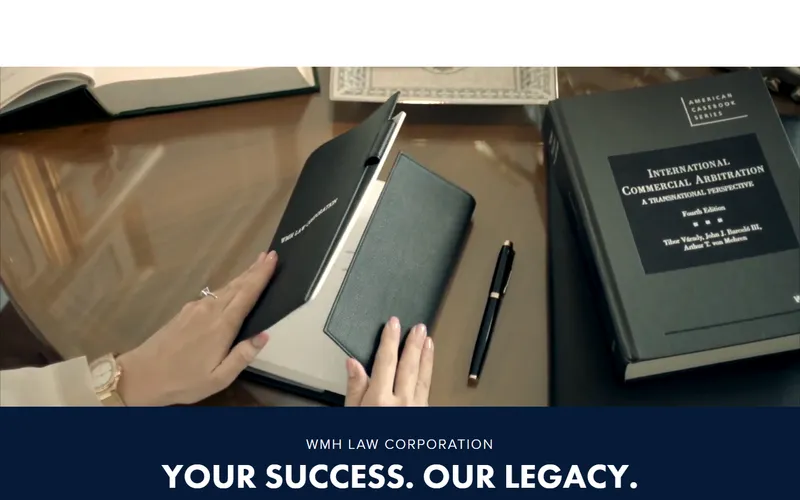
- Best for
- Creditor recovery through to bankruptcy
- Location
- Central area, Singapore
- Recognised by
- Ranked by The Legal 500 for dispute resolution; end-to-end debt recovery and insolvency, from letter of demand to bankruptcy
- Website
- wmhlaw.com.sg
If you have a stack of unpaid invoices rather than a single complex dispute, this is a sensible first call. The firm is set up to move volume, so a straightforward letter of demand or a clean claim is exactly the kind of work it processes efficiently.
- Best for
- Affordable demands and claims
- Location
- 119 Jalan Sultan, Singapore
- Recognised by
- Large affordable full-service firm with a debt recovery and enforcement practice
- Website
- irblaw.com.sg
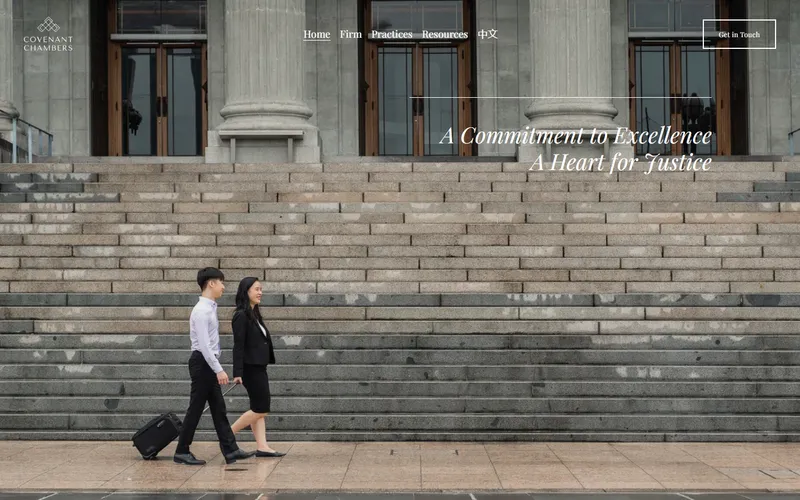
When a debtor disputes the debt, alleges defects, or there is an element of suspected fraud, you want litigators who run contested matters as their core work. For those situations, Covenant is well suited. If your debt is instead part of a wider commercial relationship, my best corporate lawyers guide covers the firms that handle the underlying contracts.
- Best for
- Contested and complex debt
- Location
- Clarke Quay Central, Singapore
- Recognised by
- Recognised in Benchmark Litigation; lead counsel in debt recovery proceedings including fraud and digital-asset disputes
- Website
- covenantchambers.com
What I like here is the fit. A firm that works day to day with SMEs understands that you want the debt collected without the legal bill swallowing the recovery, and it will steer you to the right step rather than the most expensive one.

- Best for
- SME commercial debt
- Location
- EON Shenton, 70 Shenton Way, Singapore
- Recognised by
- Debt enforcement and dispute resolution practice for SMEs
- Website
- otp.sg
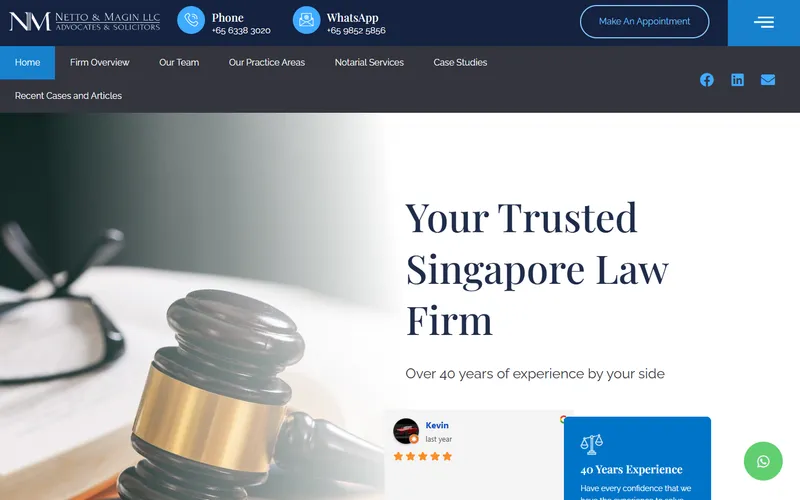
For a straightforward debt where you want a firm to send a credible demand and, if needed, follow it with a clean commercial claim, this is a sensible choice. It is the kind of firm that handles recovery without turning it into a production.
- Best for
- Straightforward recovery
- Location
- The Adelphi, 1 Coleman Street, Singapore
- Recognised by
- Boutique with an active letter-of-demand and commercial litigation practice
- Website
- nmlawcorp.com.sg
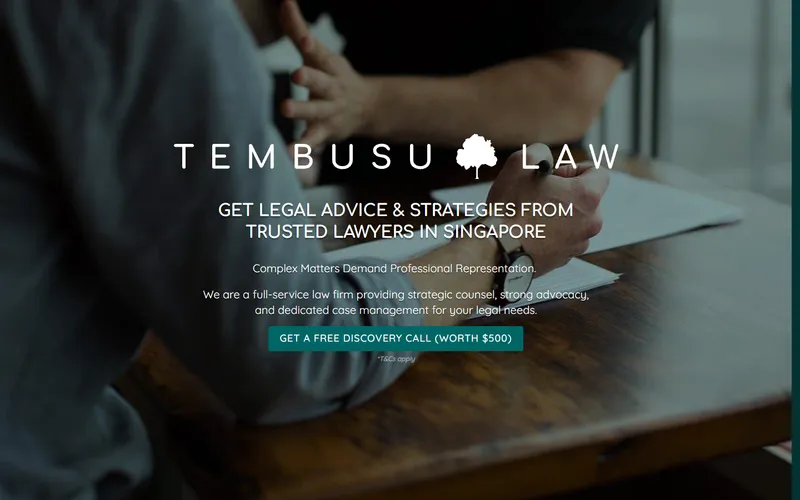
I would put Tembusu on the shortlist when the human side matters as much as the legal one: clear updates, plain explanations, and a sense that someone is actually on your file. It handles recovery for both individuals and smaller businesses.
- Best for
- Well-reviewed recovery for individuals and SMEs
- Location
- The Riverside Piazza, 11 Keng Cheow Street, Singapore
- Recognised by
- A well-reviewed disputes practice
- Website
- tembusulaw.com
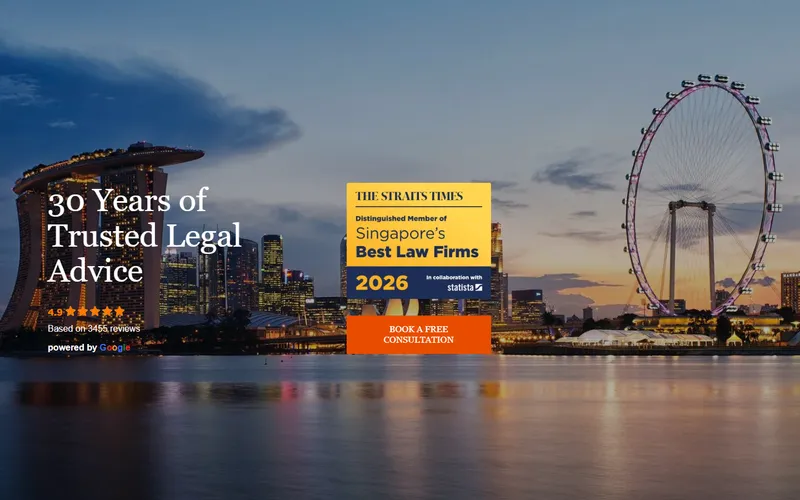
If you want a recognisable, established name to send a demand and pursue a claim without boutique pricing, PKWA fits. It is a practical option for accessible recovery.
- Best for
- Accessible recovery
- Location
- HDB Hub East Wing, 480 Lorong 6 Toa Payoh, Singapore
- Recognised by
- High-volume consumer and SME firm
- Website
- pkwalaw.com
For an accessible civil claim where you want a steady, established firm to handle the demand and any follow-on action, this is a reasonable pick. It is geared to everyday civil work rather than heavyweight commercial litigation.

- Best for
- Accessible civil claims
- Location
- Samsung Hub, 3 Church Street, Singapore
- Recognised by
- Civil disputes practice
- Website
- gjclaw.com.sg
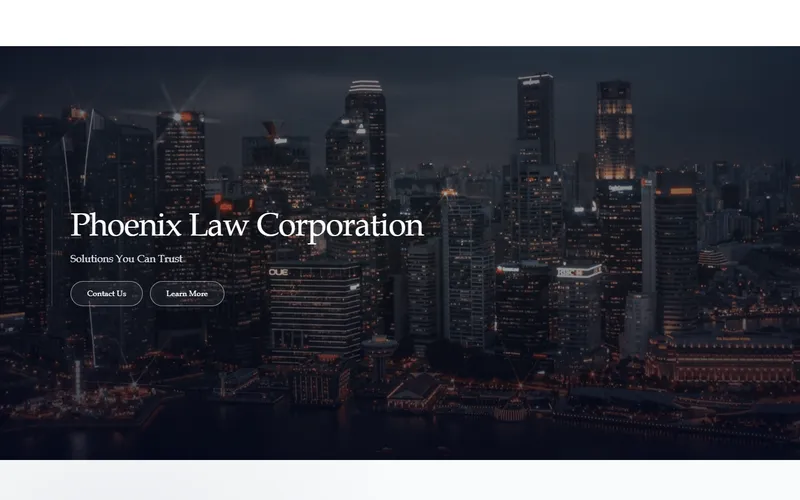
I would consider Phoenix when you want competent civil and commercial dispute help with an eye on the bill, so the cost of chasing the debt stays in proportion to the amount you are owed.
- Best for
- Value-conscious recovery
- Location
- People's Park Centre, 101 Upper Cross Street, Singapore
- Recognised by
- Civil and commercial disputes practice
- Website
- phoenixlaw.com.sg
Costs rise with each stage, which is exactly why a good lawyer tries to stop the matter early. These are indicative ranges for 2026 to help you budget. Actual fees depend on the firm, the complexity, and how hard the debtor fights.
| Step | Indicative fee (2026) |
|---|---|
| Letter of demand | S$200–600 |
| Small Claims Tribunals filing (DIY, no lawyer) | S$10–150 fee |
| Magistrate's Court claim | S$3,000–8,000 |
| District Court claim | S$8,000–20,000 |
| Enforcement / winding-up | from S$3,000 |
You can sometimes recover part of your legal costs from the debtor if you win, but a costs order is only worth something if the debtor can actually pay. That is why checking the debtor's ability to pay before you spend matters more than almost anything else on this page.
A letter of demand is a formal written notice, usually sent by a lawyer on the firm's letterhead, telling the debtor exactly how much is owed, why, and by when to pay before further action is taken. It is the cheapest meaningful step in the whole process, typically a few hundred dollars.
It works more often than people expect. A demand from a law firm signals that you are serious and willing to escalate, and many debtors who ignored your own reminders pay up once a lawyer is involved. Even when it does not produce immediate payment, the LOD creates a clear paper trail that supports any later court claim. For most unpaid invoices, it is the right and proportionate first move.
The Small Claims Tribunals (SCT) are designed for smaller, simpler disputes and are deliberately cheap and quick. They can hear claims up to S$20,000, and up to S$30,000 if both parties agree in writing. Filing fees are low, and the process is built so ordinary people can use it without legal training.
The key feature is that you generally cannot be represented by a lawyer at the SCT. You present your own case, which keeps costs down but means you do the work yourself. So use the SCT when the debt is within the limit and reasonably clear-cut. If the amount is larger, or the dispute is genuinely contested and complex, that is when a lawyer and the ordinary courts make sense.
Sometimes, but not in full and not automatically. In the courts, a successful party is often awarded costs, meaning the losing debtor is ordered to contribute towards your legal fees. That contribution rarely covers everything you actually paid your lawyer, so expect to bear part of the cost yourself even when you win.
And a costs order is only as good as the debtor's ability to pay it. If the debtor has no money, an order that they pay your costs is just another sum you cannot collect. Treat any cost recovery as a bonus, not as the reason to litigate.
This is the hardest scenario, and an honest lawyer will raise it early. If the debtor genuinely has no assets and no income, even a clear judgment may be uncollectable, and spending more on enforcement can simply add to your loss. A judgment is permission to collect, not a guarantee that there is anything to collect.
There are still options. Enforcement can target assets you can identify, and for a company that will not pay a clear debt, a statutory demand and winding-up (or bankruptcy for an individual) can apply real pressure or recover something through the insolvency process. But the decision should always start with a clear-eyed look at whether the debtor can pay, which is exactly why I rate lawyers who tell you the truth about that before you spend.
If you take one thing from this guide, let it be the order of operations. The best debt recovery lawyer in Singapore does not rush you to court. They start with a cost-effective letter of demand, escalate to the Small Claims Tribunals or the right court only when needed, and are honest from the outset about whether the debtor can actually pay. For most unpaid invoices, WMH Law's end-to-end approach is where I would start, but the right pick depends on the size and nature of your debt, so use the "best for" lines above.
One last thought from my side of the desk. A surprising number of payment disputes start with weak paperwork: unclear terms, no written agreement, or an invoice no one can find. A clear, professional online presence and tidy documentation make you look like someone worth paying on time. If you run a law firm yourself, a sharp law firm website does a lot of quiet credibility work, and my wider web design services help any Singapore SME look the part. If you want a hand, grab a free quote.
Editorial note: This guide reflects my own research and opinion, not legal advice. I am a Singapore web designer, not a lawyer. Firm details and fee ranges were accurate at the time of writing (last updated June 2026) but can change. Always confirm fees directly with the firm before engaging them.