
Web Design Website Cost & Pricing
PSG Website vs Custom Website Singapore (August 2026)
PSG grant website or custom build? An honest comparison with real SGD pricing, hidden costs, and case studies. From a Singapore agency that chose not to offer PSG.
The PSG grant promises 50% off your website. On paper, that sounds like the smartest decision a Singapore SME could make. But here is the question nobody writing about PSG wants you to ask: what does that 50% actually buy you?
Every article ranking for "PSG website" right now was written by a PSG-approved vendor selling their own packages. This one wasn't. We deliberately chose not to become a PSG vendor, and this post explains why that decision benefits businesses like yours. If you are comparing a PSG website vs a custom website in Singapore, this is the honest breakdown you won't find anywhere else: real SGD pricing, hidden costs, and actual results from our portfolio.
Spoiler: the "cheaper" option isn't always the one with the grant attached.
A PSG website is a website built through Singapore's Productivity Solutions Grant, which subsidises up to 50% of qualifying digital solutions for eligible SMEs, capped at $30,000 per year. To use the grant for a website, you must work with a pre-approved vendor offering pre-approved packages.
That last part is the key. Pre-approved packages means standardised solutions. In practice, most PSG website packages include:
- A Shopify or WordPress site built on a pre-selected theme (not designed from scratch)
- 5 to 8 pages with templated layouts
- Stock photography (not custom visuals)
- Basic on-page SEO (meta titles, descriptions)
- Standard e-commerce features (product listing, cart, checkout, payment integration)
- 1 round of revisions
The grant structure incentivises volume. Vendors get paid per package, not per hour of custom work. So the financial model rewards using the same template for every client, swapping out the logo and colours, and moving on to the next. That's not a criticism of the vendors; it's how the grant works. For a deeper look at the PSG programme itself, read our complete PSG guide.
A custom website is designed and built specifically for your business. Not adapted from a template. Not squeezed into a pre-approved package. Every page, every layout, every interaction is built around your customers, your brand, and your goals.
Here is what that looks like in practice:
- Bespoke design: Your site looks like nobody else's. In a market where your PSG competitors all share the same Shopify theme, this is a genuine competitive advantage.
- You own the code: No platform lock-in, no monthly subscription just to keep your site online. Move hosts, change agencies, or modify anything without asking permission.
- Full SEO from day one: Not just meta titles. Proper heading structure, schema markup, Core Web Vitals optimisation, internal linking strategy, and content built for search intent.
- Conversion-focused: Every element is placed with purpose. Clear CTAs, trust signals, social proof, and user flows tested against real visitor behaviour.
- No ongoing platform fees: Static sites built on modern frameworks like Astro deploy on Vercel for free. Your only recurring cost is domain renewal ($15 to $30/year).
When we rebuilt Perfect Style Salon's website, online enquiries increased by 180% within three months. That result came from custom design, not a template. When we built UCOATE's website, they went from zero Google visibility to first-page rankings for competitive indoor air quality keywords. That came from custom SEO architecture, not a pre-approved package.
This is the section no PSG vendor will write, because the numbers don't always favour the grant. Let's compare a typical PSG e-commerce website against a custom build, with real Singapore pricing.
PSG e-commerce website:
- Package price: $5,000 to $8,000
- After 50% PSG subsidy: $2,500 to $4,000 out of pocket
- Shopify Basic: $39 SGD/month ($468/year)
- Shopify apps (reviews, email, SEO, analytics): $50 to $200/month ($600 to $2,400/year)
- Transaction fees: 3.2% + $0.50 per online transaction
- 2-year total cost: $4,568 to $10,800
Custom website (e.g. from Terris):
- Build cost: $3,000 to $6,000 (full price, no grant)
- Hosting: $0 to $20/month (Vercel free tier or basic hosting)
- Domain renewal: $15 to $30/year
- No platform fees, no app subscriptions
- 2-year total cost: $3,030 to $6,480
Read those numbers again. The PSG website that looked 50% cheaper upfront often costs more over two years because of ongoing platform and app fees. And that's before factoring in the conversion difference between a template and a custom build. Use our website cost estimator to calculate your specific scenario, or read the full guide to website costs in Singapore.
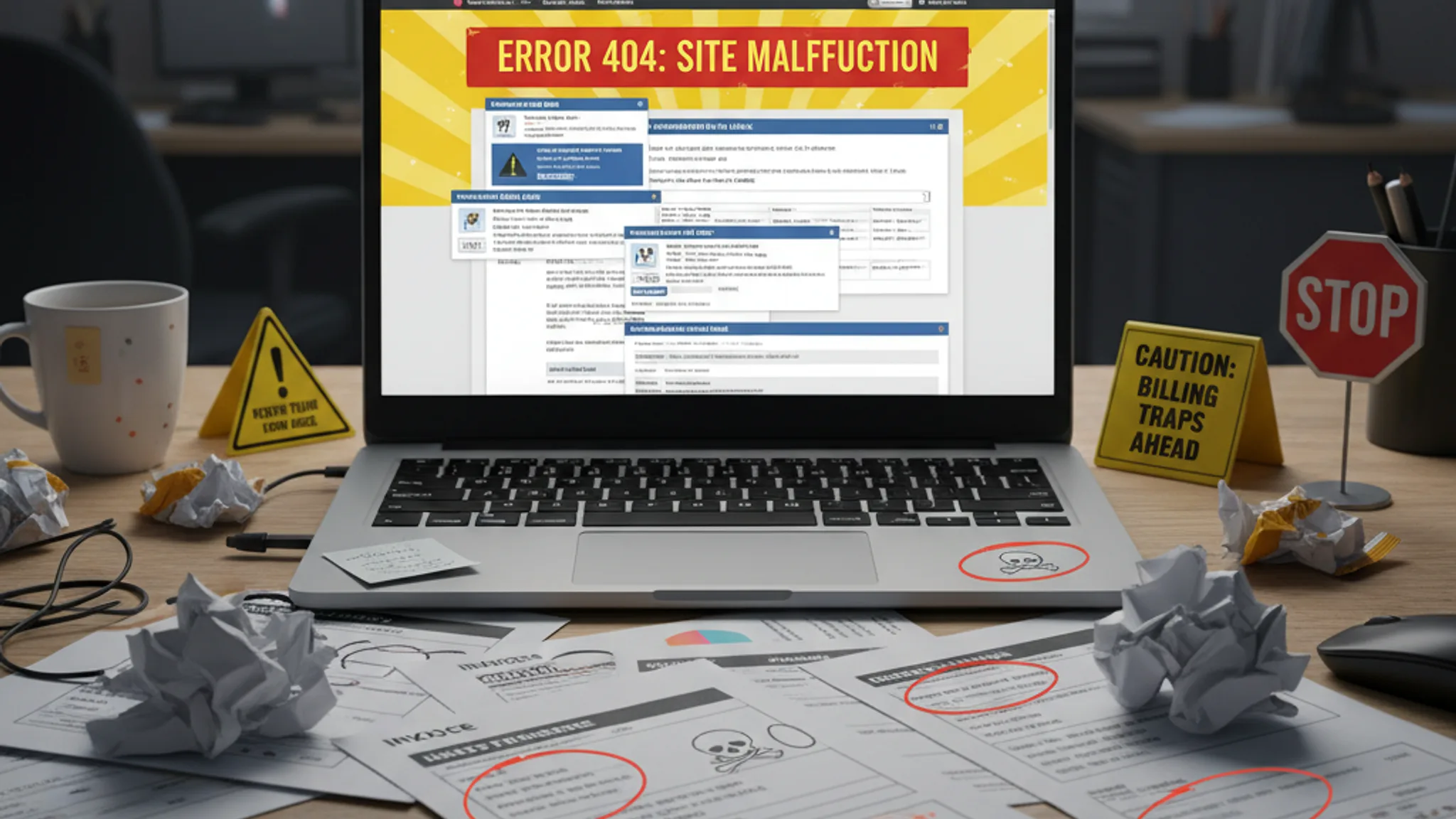
The 50% subsidy is real. But so are these costs that rarely appear in the initial quote:
- Monthly platform fees: Shopify Basic is $39 SGD/month. Shopify Grow is $132/month. These fees never stop. You are renting your website, not owning it.
- App and plugin subscriptions: The average Shopify store uses 6 to 8 paid apps. Email marketing, reviews, SEO tools, analytics, abandoned cart recovery. Each costs $10 to $50/month. It adds up fast.
- Vendor lock-in: Your website is built on the vendor's setup, their Shopify account configuration, their theme customisations. Want to switch agencies later? You might need to rebuild from scratch. Try asking your PSG vendor about exit costs before you sign.
- Limited customisation after launch: The PSG package gives you 1 round of revisions. After that, changes are billed hourly. And because the site is built on a theme, some changes simply aren't possible without breaking the template.
- Cookie-cutter design: Your PSG vendor is using the same 3 to 5 Shopify themes for every client. Your bakery looks like the florist down the road. In Singapore's dense SME market, looking identical to your competitors is a real business cost, even if it doesn't appear on an invoice.
- SEO ceiling: Template sites share identical code structures, identical heading hierarchies, and often identical page speed issues. When 50 SMEs in the same industry all have the same site architecture, Google has no reason to rank any of them above the others.
For a broader look at ongoing website expenses, read our guide to website maintenance costs in Singapore.
We are not anti-PSG. The grant exists for a good reason, and for some businesses it is genuinely the right call. Here is an honest framework:
PSG makes sense when:
- You need a basic online store quickly and don't require custom functionality
- Your business qualifies and you're comfortable with Shopify or WordPress templates
- You are testing a new product line and want minimum upfront investment
- Your primary sales channel is offline, and the website is supplementary
PSG doesn't make sense when:
- Your website IS your primary lead generation tool (service businesses, consultancies, agencies)
- SEO and Google rankings are important to your growth strategy
- You need custom features (booking systems, calculators, client portals, multi-language)
- Your brand identity needs to stand out from competitors using the same templates
- Long-term cost of ownership matters more than upfront savings
- You want full control over your code and hosting
If most of your ticks land in the second list, a custom website will deliver better ROI even without a grant subsidy.
Numbers don't lie. Here is what actually happens when Singapore businesses invest in custom web design instead of templates:
- Perfect Style Salon: 180% increase in online enquiries and 250% traffic growth within three months of launching their custom-designed website. The old site was a template. The new one was built around their specific services, location, and target clientele.
- Arcade Rental Singapore: From invisible online to #1 Google rankings for key arcade rental search terms, with 300% traffic growth. This came from custom SEO architecture that a template simply could not support.
- UCOATE: A formaldehyde removal brand that had zero Google visibility despite operating since 2018. We rebuilt their site on Astro with proper schema markup and targeted on-page SEO. Result: first-page rankings for competitive industry keywords and a 3x increase in enquiries.
- Citri Mobile: We engineered a programmatic SEO strategy generating over 16,000 unique pages, one for every combination of device, model, and repair type. The result: #1 rankings for hundreds of long-tail queries and 10,000+ monthly search impressions. No template could have done this.
These are not hypothetical improvements. They are named Singapore businesses with verifiable results. Every project was custom-built because the brief demanded it, and the results justified it.
Before you commit to PSG or custom, run through these five questions:
- Is your website your primary source of leads? If yes, invest in custom. Templates don't convert as well as purpose-built designs.
- Do you need to rank on Google for competitive keywords? If yes, you need custom SEO architecture that PSG packages don't provide.
- Are you comfortable paying $500 to $700+ per year in platform fees indefinitely? If not, a custom site with free or low-cost hosting is the better long-term play.
- Does your business need to look different from competitors? If yes, a template shared by dozens of other PSG clients won't cut it.
- Do you want to own your website outright? If yes, avoid platforms where you're essentially renting space.
If you answered "yes" to three or more of these, custom is the smarter investment. If you answered "no" to most, PSG is a perfectly reasonable choice for your current stage.
Want to see what a custom website would cost for your specific needs? Try our free website cost estimator, or learn more about our web design services.
The PSG grant is a good programme. It has helped thousands of Singapore SMEs get online, and for businesses that need a basic web presence quickly, it serves its purpose. But "50% off" is not the same as "best value."
For Singapore SMEs where the website is the engine of growth, where Google rankings, conversion rates, and brand differentiation actually matter, a custom website pays for itself faster than a subsidised template ever will. We have seen it with salons, event rental companies, product brands, and mobile repair shops. The pattern is consistent: custom design, built for your business, delivers measurable results that templates simply cannot match.