Two things decide how well you do at the best wine shop Singapore has to offer, and neither is the wine list.
The first is the clock. Under the Liquor Control Act, retail sale of takeaway liquor is prohibited from 10.30pm to 7am every day. In Liquor Control Zones, meaning Little India and Geylang Serai, the cutoff moves to 7pm on Saturdays, Sundays, public holidays and their eves. So a delivery ordered at 10.20pm is a race, and one to those neighbourhoods on a Saturday evening is not happening at all.
The second is arithmetic. Excise duty on wine is S$88 per litre of alcohol plus 9 percent GST, which is a flat charge of roughly S$9 on a standard bottle whether the wine cost fifteen dollars or a hundred and fifty. That single fact should change what you buy, and this guide explains how.
Key Takeaways
- 1 Your delivery has a legal curfew. Under the Liquor Control Act, retail sale of takeaway liquor is prohibited from 10.30pm to 7am every day, so an order has to be completed before the cutoff rather than arriving whenever it arrives.
- 2 In Liquor Control Zones the cutoff is much earlier. Little India and Geylang Serai restrict takeaway sales from 7pm on Saturdays, Sundays, public holidays and the eves of public holidays, so a delivery to those addresses on a Saturday evening will not happen.
- 3 Duty is charged per litre of alcohol, not per dollar of wine. Excise duty is S$88 per litre of alcohol, plus 9 percent GST, which works out at roughly S$9 of duty on a standard 750ml bottle at 13.5 percent regardless of whether the wine cost S$15 or S$150.
- 4 Which makes cheap wine unusually poor value in Singapore. On a S$25 bottle that flat duty is a large share of the price. On a S$150 bottle it is a rounding error. Trading up from S$25 to S$40 buys considerably more wine here than the same jump would elsewhere.
- 5 Storage matters more in this climate than in most. Heat is what ruins wine, and a shop with proper temperature-controlled storage is not being fussy. Ask how stock is kept, especially for anything you intend to hold rather than drink this week.
The curfew, the duty, and what actually improves your bottle
Four things worth knowing before you order.
- Retail alcohol sales stop at 10.30pm. The Liquor Control (Supply and Consumption) Act, in force since 1 April 2015, prohibits the retail sale of takeaway liquor from 10.30pm to 7am daily. That covers supermarkets, convenience stores and petrol stations as well as wine shops and delivery services. Police can grant extensions case by case, so a few outlets differ, but plan around the cutoff rather than the exception.
- Two neighbourhoods stop much earlier. Little India and Geylang Serai are Liquor Control Zones, where takeaway sales stop at 7pm on Saturdays, Sundays, public holidays and the eves of public holidays. If you live there, a Saturday evening delivery is not a timing risk, it is simply not permitted.
- Duty is flat per bottle, which changes what is good value. Excise duty on wine is S$88 per litre of alcohol, so a 750ml bottle at 13.5 percent carries about S$8.90 of duty, plus 9 percent GST on top. That is the same charge on a cheap bottle and an expensive one. On a S$25 bottle it is a substantial share of what you paid. On a S$150 bottle it barely registers. The practical conclusion is unusual and worth acting on: in Singapore, moving from S$25 to S$40 a bottle buys you more additional wine than the same jump does in a country with proportional taxes.
- Ask how the wine is stored. Heat is what kills wine, and Singapore is hot all year. A shop with genuine temperature-controlled storage is protecting stock rather than posturing, and the difference shows most in older bottles and in anything delicate. If you are buying something to keep rather than open on Friday, storage is the question that matters most.
One useful related note for anyone bringing wine back from a trip. Duty-free concession applies only if you have been out of Singapore for more than 48 hours, and the options are one litre of spirits plus one litre of wine, or one litre of spirits plus one litre of beer, or one litre of wine plus one litre of beer. Not all three together. Exceed it and you declare and pay, which given the S$88 per litre rate is worth doing correctly.
If the wine is for an event rather than an evening, my guide to the best mobile bar services in Singapore covers the option where somebody else handles the licence, the ice and the pouring. And for what to eat alongside it, the best restaurants in Singapore is the wider guide.
How the best wine shops in Singapore compare
| Shop | Type | Strength | Best for |
|---|---|---|---|
| Wine Connection | Chain with bars | Outlets across the island, drink-in and take-out | Trying before buying |
| 1855 The Bottle Shop | Retail chain | Broad range, multiple outlets | Browsing a wide selection in person |
| Cellarbration | Retail chain | Volume pricing and promotions | Stocking up and case buying |
| Crystal Wines | Specialist merchant | Curated range and storage | Buying something to keep |
| Straits Wine Company | Specialist merchant | Long-standing wine specialist | Advice rather than a shelf |
| Asher BWS | Retail and delivery | Beer, wine and spirits together | A mixed order for a party |
| Wine List Asia | Online merchant | Online-first buying | Ordering ahead, before the cutoff |
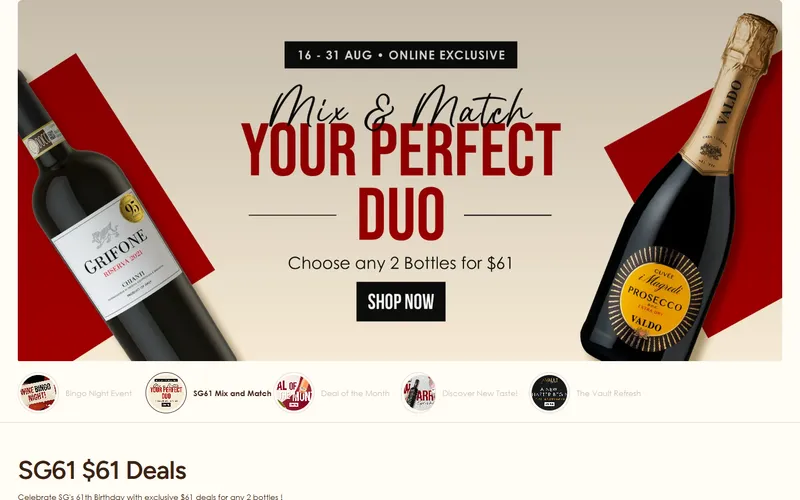
1. Wine Connection: try it before you commit to a case
Tasting before buying matters more here than the price of any individual bottle. Wine descriptions are close to useless as a predictor of whether you personally will enjoy something, and buying six bottles of a wine you have only read about is how people end up with a shelf of things they do not want to open. A glass at a bar first costs a few dollars and removes that risk entirely.
The retail range is accessible rather than rarefied, which suits the way most people actually buy: something for dinner this week, not an investment. Use it to work out what styles you like, then take that knowledge to a specialist merchant when you want to spend more.
- Best for
- Working out what you actually like
- Format
- Retail shops plus bars and bistros
- Why it helps
- Drink a glass before buying the bottle
- Website
- wineconnection.com.sg
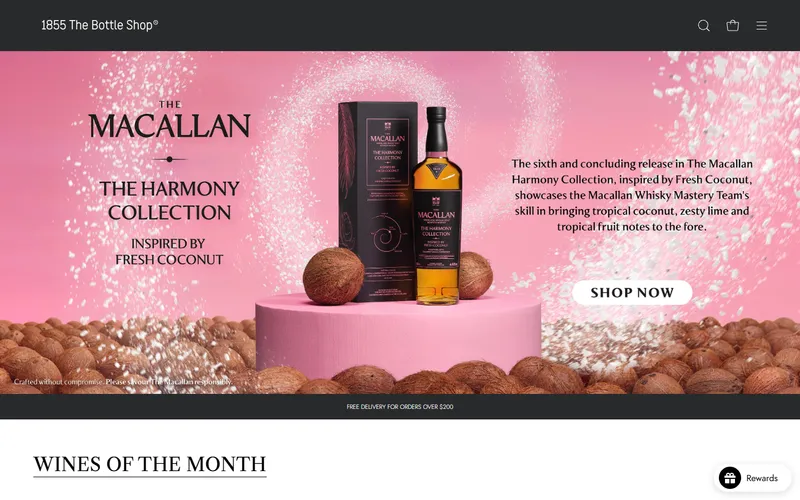
2. 1855 The Bottle Shop: range you can walk through
The advantage of a shelf is comparison you can act on. Standing in front of forty bottles between S$30 and S$60, with someone who can tell you which of them is drinking well right now, gets you to a better bottle than half an hour of scrolling. Wine is one of the last categories where a knowledgeable person in a shop beats a website, because the question is not what exists, it is what to open on Thursday.
Ask for a recommendation rather than reading labels. Say what you are eating, roughly what you want to spend, and whether you like it lighter or richer. That is enough for a decent shop assistant to hand you something better than you would have chosen alone.
- Best for
- Comparing a price band in person
- Format
- Multiple retail outlets
- Best used by
- Asking for a recommendation, not reading labels
- Website
- 1855thebottleshop.com
Recommended reads
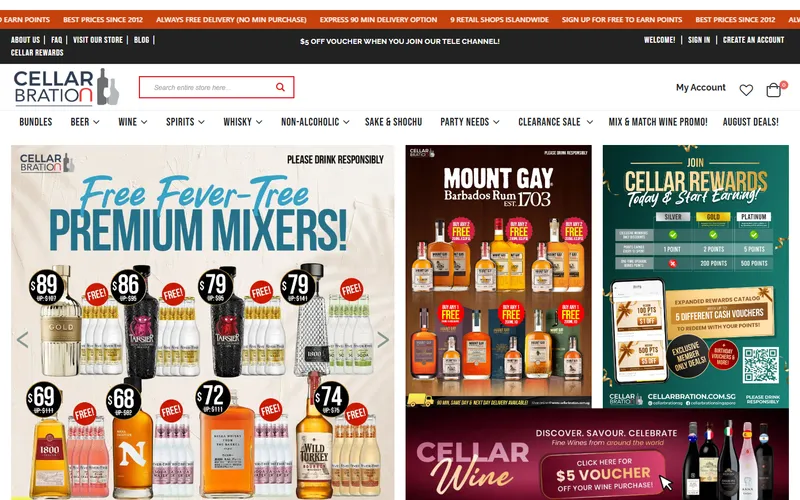
3. Cellarbration: buying by the case
Case buying is where the duty arithmetic starts working for you rather than against you. Since duty is a flat charge per bottle, buying twelve of something at S$35 rather than twelve at S$18 means the tax component becomes a much smaller share of what you spend, and the wine itself a much larger one. If you are stocking up for a party or for the year, that is the trade to make deliberately.
Check what a promotion is actually discounting. Wine promotions frequently price against a notional list price rather than a real one, so the useful comparison is against what the same bottle costs at two other shops today, not against the crossed-out number.
- Best for
- Case buying, where flat duty hurts least
- Strength
- Volume pricing and frequent promotions
- Check
- What a promotion is discounting against
- Website
- cellarbration.com.sg
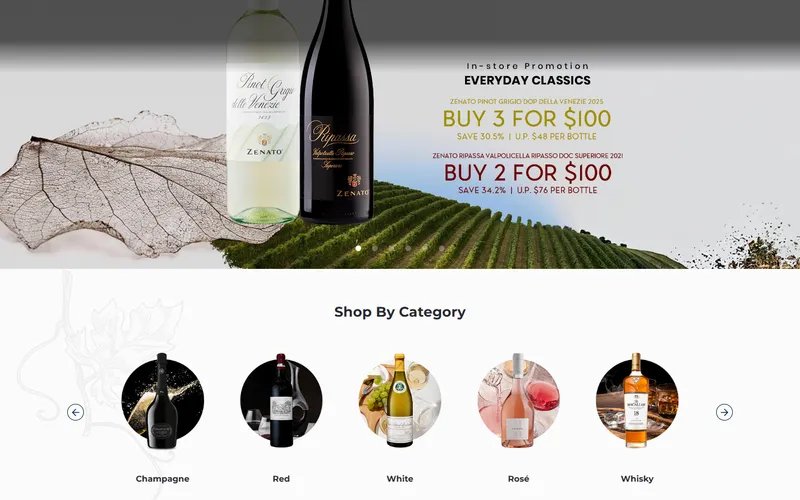
4. Crystal Wines: for a bottle you intend to keep
Storage is the underrated part of buying wine in Singapore. Heat degrades wine, and it does so invisibly: a bottle that has spent a summer in an uncooled warehouse looks identical and tastes tired. For anything you plan to keep for a few years, buying from a merchant who controls temperature is not a refinement, it is the difference between an investment and a disappointment.
It is also worth thinking about where the bottle goes after you buy it. A flat in Singapore is a poor cellar, and if you are accumulating more than a handful of bottles, a wine fridge is the cheapest meaningful upgrade available to you, far cheaper than the wine it protects.
Contact Crystal Wines directly
- Best for
- Bottles you intend to keep rather than open
- Type
- Specialist merchant, curated range
- Ask about
- How stock is stored, and for how long
- Website
- crystalwines.com
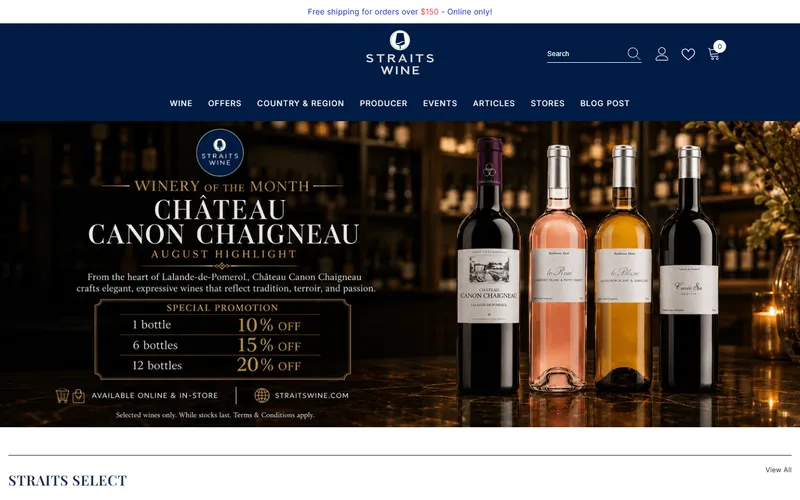
5. Straits Wine Company: advice, not just a shelf
A specialist merchant earns its margin by knowing its own list. That means being able to tell you which of two similar bottles is drinking better this year, what to open now versus what to leave, and what to try if you liked a particular wine last month. None of that is available from an algorithm, and it is the fastest way to improve what you drink without spending more.
Use them properly by being specific about what you have enjoyed. Naming two wines you liked, and one you did not, tells a good merchant far more than saying you like red, and it is the difference between a recommendation and a guess.
Contact Straits Wine Company directly
- Best for
- Advice that actually improves what you drink
- Type
- Long-standing wine specialist
- Get value by
- Naming wines you liked and one you did not
- Website
- straitswine.com
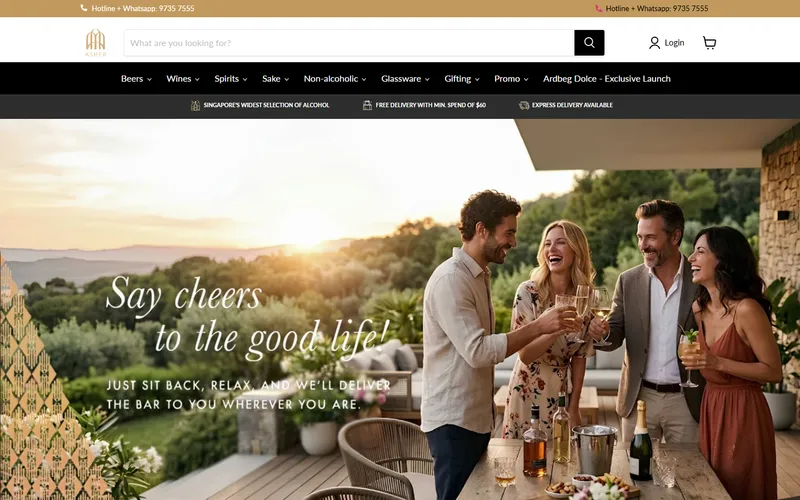
6. Asher BWS: beer, wine and spirits in one order
Any gathering needs a mix. Some guests drink wine, some want a beer, someone will ask for a gin and tonic, and sourcing those from three different places means three deliveries, three delivery fees and three chances of missing the 10.30pm cutoff. One order covering all of it is simply less to go wrong.
Order earlier in the day than you think you need to. Weekend evenings are the busiest window for alcohol delivery and also the one that runs into the legal cutoff, so an order placed at nine on a Saturday is competing with everyone else for the same delivery slots against a hard 10.30pm stop.
Contact Asher BWS directly
- Best for
- A mixed order for a party
- Covers
- Beer, wine and spirits, with delivery
- Order early
- Weekend evenings compete against the 10.30pm cutoff
- Website
- asher.sg
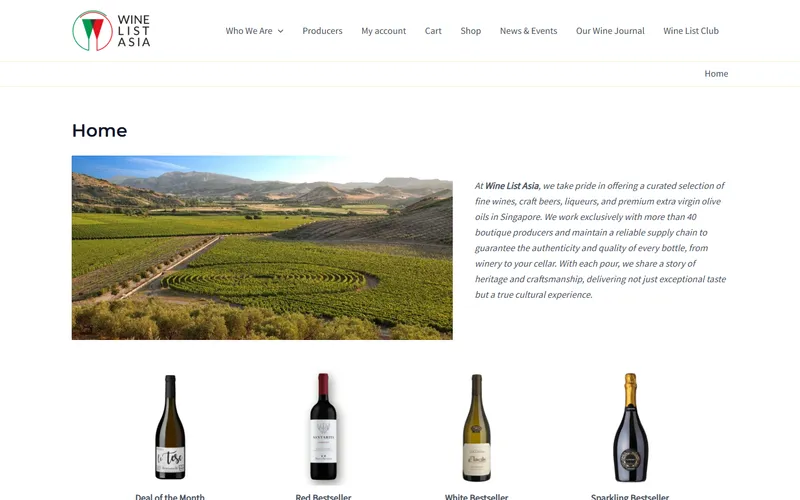
7. Wine List Asia: ordering ahead, online
Given the 10.30pm cutoff and the earlier restrictions in Liquor Control Zones, the reliable way to have wine when you want it is to have bought it already. An online order placed on Wednesday for a Friday dinner sidesteps the entire timing problem, and it also means you are choosing calmly rather than grabbing whatever the nearest shop has at nine at night.
Online is also where price comparison is easiest. Since duty is identical everywhere, the differences between shops are margin, sourcing and shipping, and those are visible in a browser in a way they are not on a shelf.
Contact Wine List Asia directly
- Best for
- Planning rather than panicking
- Format
- Online merchant
- Real advantage
- Buying ahead beats racing the cutoff
- Website
- winelistasia.com
What time do alcohol sales stop in Singapore?
Retail sale of takeaway liquor is prohibited from 10.30pm to 7am every day under the Liquor Control (Supply and Consumption) Act, which has been in force since 1 April 2015. That applies to wine shops, supermarkets, convenience stores and petrol station outlets alike, and it applies to delivery as well as walk-in purchase.
In designated Liquor Control Zones, currently Little India and Geylang Serai, the restriction on takeaway sales begins at 7pm on Saturdays, Sundays, public holidays and the eves of public holidays rather than 10.30pm. If your address is in one of those zones, a Saturday evening delivery is not late, it is not permitted.
Police may grant extensions to retail hours case by case, so individual outlets can differ, and drinking at home or in licensed premises such as bars and restaurants is governed separately by those licences. The practical advice is simply to buy earlier. An order placed in the afternoon removes the whole problem.
Why is wine so expensive in Singapore?
Because of how the tax is structured rather than how high it is. Excise duty on wine is S$88 per litre of alcohol, with 9 percent GST on top. For a standard 750ml bottle at around 13.5 percent alcohol, that works out to roughly S$8.90 of duty before GST.
The important part is that the charge is flat. It does not scale with the price of the wine, because it is levied on the alcohol content, not the value. So the same roughly nine dollars is added to a S$15 bottle and a S$150 bottle, which means the tax is a large proportion of a cheap wine and a trivial one on an expensive wine.
That leads to a conclusion most people do not expect: cheap wine is comparatively poor value in Singapore, and trading up is comparatively good value. Moving from S$25 to S$40 a bottle here buys you a bigger jump in actual wine than the same increase would in a market with proportional taxation, because a much larger share of the extra fifteen dollars is going into the bottle rather than to the tax office.
My verdict on wine shops in Singapore
Start at Wine Connection if you do not yet know what you like, because drinking a glass before buying a bottle is worth more than any recommendation. To compare a price band in person, 1855 The Bottle Shop. When you are buying by the case, Cellarbration, where volume pricing and flat duty work in the same direction.
For a bottle you intend to keep, Crystal Wines, and ask how their stock is stored. For advice that genuinely improves what you open, Straits Wine Company. For a mixed order across beer, wine and spirits, Asher BWS. And for the discipline of buying before you need it, Wine List Asia.
Two habits worth adopting. Buy earlier in the day, because 10.30pm is a legal cutoff and 7pm in two neighbourhoods at weekends. And spend a little more per bottle rather than buying more cheap ones, because the roughly nine dollars of duty on every bottle is the same either way and it is doing far more damage at the bottom of the range.
A closing note for the shops. This is a category where the customer is deciding at seven in the evening with a legal deadline three and a half hours away, on a phone. The shop whose site loads quickly, shows real stock and makes the cutoff clear gets the order, and the one that does not simply loses it to whoever did. If your website is the weak link, that is fixable, and it happens to be my day job. Have a look at my web design services in Singapore, or get a quote and I will tell you straight what I would change.
Spotted something out of date in this guide?
Suggest an edit or a business to add. This guide is pre-filled for you.

Professional Opinion-haver
Terris
Chief Recommender · I do the digging so you don't have to
Terris is a Singapore-based web designer and digital strategist who has spent 8+ years building websites for local businesses. His Terris Recommends series shares personal picks for the best service providers across Singapore, informed by his experience working with businesses across industries.
Want to see these strategies in action? Browse our portfolio or get in touch to discuss your project.